




M.D. Sertaç Uzel
M.D. Sertaç Uzel is an experienced radiologist with a strong foundation in diagnostic imaging, dedicated to providing accurate and patient-centered care. A graduate of Istanbul University Cerrahpaşa Faculty of Medicine, he has been a valuable member of the Acıbadem Health Group since 2008. With decades of clinical practice, he brings a depth of knowledge to interpreting a wide range of imaging studies, including MRI, CT scans, and X-rays, which are crucial for precise diagnosis and effective treatment planning.
Committed to upholding the highest professional standards, M.D. Uzel is an active member of the Turkish Radiology Association and the Istanbul Medical Chamber. This engagement reflects his dedication to continuous learning and collaboration within the medical community. His approach prioritizes clear communication with both patients and referring physicians, ensuring imaging insights are seamlessly integrated into a comprehensive care plan to support optimal health outcomes.
Specialities
M.D. Sertaç Uzel specializes in treating a range of conditions within their field. Learn more about the treatments, procedures, and medical areas where they bring extensive experience and trusted care.
-
 Radiology
M.Ch.
Radiology
M.Ch.
Educational Info
Learn about M.D. Sertaç Uzel’s medical journey — from education to specialization — and how their academic training supports their commitment to patient care.
- Istanbul University Cerrahpasa Faculty of Medicine Radiology(M.Ch. )
- Hacettepe University Faculty of Medicine(M.Ch. )
- Ankara Science High School(M.Ch. )
Memberships
M.D. Sertaç Uzel is an active member of several esteemed medical organizations, ensuring alignment with the latest clinical guidelines and ethical practices.
- Turkish Radiology Association
- Istanbul Medical Chamber
Experience
With a career spanning 18+ years, M.D. Sertaç Uzel has served in various esteemed medical centers, contributing to both outpatient and surgical care across a wide spectrum of cases.
- Acibadem Health Group( 2008-01-01 Current)
- Işık Medical Imaging Center(Radiology Specialist 1996-01-01 - 1997-01-01)
- Nuclear Medicine Division Medical College Of Wisconsin( 1995-01-01 - 1996-01-01)
- Medical College of Wisconsin, Department of Radiology, Nuclear Medicine Felowship( 1995-01-01 - 1996-01-01)
- Medical College of Wisconsin, Department of Radiology, Digital Body Imaging, Fellowship( 1994-01-01 - 1995-01-01)
- Nuclear Medicine Division( 1994-01-01 Current)
- Organ Transplant and Burn Foundation Hospital(General Practitioner 1987-01-01 - 1988-01-01)
- Compulsory Service( 1984-01-01 - 1987-01-01)
- Bolu Merkez Health Center(General Practitioner 1984-01-01 - 1986-01-01)
Frequently Asked Questions
Explore answers to commonly asked questions related to treatments, consultations, and services provided by M.D. Sertaç Uzel.
M.D. Sertaç Uzel, a renowned Radiologist in Istanbul, practices at Acibadem Kadikoy Hospital, Istanbul. You can consult the doctor for expert and personalized care.
Booking an appointment with M.D. Sertaç Uzel is simple. Visit MediFyr, go to the doctor’s profile, and schedule a clinic visit or online video consultation instantly.
M.D. Sertaç Uzel has received positive feedback from 4+ patients and is highly recommended by those users for quality healthcare and professionalism.
Yes, M.D. Sertaç Uzel offers teleconsultation for patients who prefer virtual appointments. You can book an online session directly through Medifyr for safe and convenient care from home.

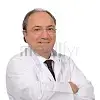

- 8 Years Experience
- Pain Management
 Acibadem Kadikoy Hospital

- 10 Years Experience
- Psychologist
Acibadem Kadikoy Hospital

- 2 Years Experience
- Obstetrics and Gynaecologist
Acibadem Kadikoy Hospital
- 4 Years Experience
- Radiologist
Acibadem Kadikoy Hospital
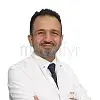
- 4 Years Experience
- Orthopedist
Acibadem Kadikoy Hospital

- 3 Years Experience
- Cardiologist
Acibadem Kadikoy Hospital

- 10 Years Experience
- Radiologist
Acibadem Kadikoy Hospital

- 4 Years Experience
- Urologist
Acibadem Kadikoy Hospital

- 9 Years Experience
- Obstetrics and Gynaecologist
Acibadem Kadikoy Hospital

- 4 Years Experience
- Gastroenterologist
Acibadem Kadikoy Hospital