

Biliary Atresia Cost in India
How Much Does Biliary Atresia Cost in India?
What Affects the Cost of Biliary Atresia?
Two patients rarely pay the same amount. These are the variables that move your final bill up or down in India.
Hospital category
Accredited multi-speciality and quaternary-care hospitals price higher than mid-tier facilities, infrastructure and outcomes differ too.
Surgeon's experience
Senior specialists who perform this procedure frequently command higher professional fees, and typically shorter, safer recoveries.
Room category
General ward, twin-sharing, private, and suite rooms carry different nightly tariffs, and most other charges scale with the room class.
Implants, devices & consumables
Where the procedure uses implants or specialised consumables, the brand and grade chosen can change the bill significantly.
Length of stay & ICU time
Each extra night, especially in ICU, adds room, nursing, and monitoring charges beyond the quoted package.
Diagnostics & post-operative care
Pre-surgery work-up, imaging, lab tests, physiotherapy, and follow-up consultations vary with your overall health and recovery.
What a Hospital Package Typically Covers
Quoted estimates are usually packages. Knowing what sits inside - and outside - the package is how you avoid surprise bills.
Usually Included
- Surgeon, anaesthetist & operating theatre charges
- Standard room stay for the quoted number of nights
- Routine in-hospital nursing, medication & consumables
- Standard pre-operative work-up linked to the procedure
- One post-discharge follow-up consultation (varies)
Commonly Billed Separately
- Premium implants, devices, or consumables beyond the package grade
- Extended ICU stay or unplanned interventions
- Managing comorbidities (diabetes, cardiac, kidney conditions)
- Medicines and rehabilitation after discharge
- Travel, accommodation & visa support for outstation patients
Every hospital defines its package differently. Always confirm what your final quote covers. MediFyr can collect itemised estimates from multiple hospitals in India so you compare like for like.
About Biliary Atresia
Key Highlights
Who Is This Surgery For?
- Persistent jaundice (yellowing of skin and eyes) in an infant beyond two weeks of age.
- Dark urine and pale, clay-colored stools.
- Enlarged, firm liver (hepatomegaly) and sometimes an enlarged spleen.
- Confirmed diagnosis via blood tests showing conjugated hyperbilirubinemia, abdominal ultrasound, hepatobiliary iminodiacetic acid (HIDA) scan, and a definitive liver biopsy showing features consistent with biliary atresia.
- Exclusion of other causes of neonatal cholestasis.
How to Prepare
- Comprehensive diagnostic workup including blood tests (liver function tests, coagulation profile), abdominal ultrasound, and a HIDA scan.
- Definitive diagnosis via an intraoperative cholangiogram and/or a percutaneous liver biopsy.
- Nutritional optimization, which may include special formulas and vitamin supplements (especially vitamins A, D, E, and K).
- Pre-operative counseling for parents about the procedure, long-term outlook, and the potential need for future transplantation.
- Administration of prophylactic antibiotics to prevent post-operative infection.
Risks & Possible Complications
- Post-operative cholangitis (infection of the bile ducts), which is common and requires prompt antibiotic treatment.
- Failure of the Kasai procedure to establish adequate bile drainage, leading to progressive liver disease.
- Portal hypertension, which can cause enlarged veins (varices) in the esophagus and stomach, and fluid accumulation in the abdomen (ascites).
- Progression to end-stage liver cirrhosis and liver failure, necessitating a liver transplant.
- General surgical risks such as bleeding, infection at the incision site, and adverse reactions to anesthesia.
- Long-term issues with fat-soluble vitamin deficiency and poor growth.
Recovery & Hospital Stay
- Initial hospital stay of 1-2 weeks for monitoring bile flow, managing pain, and administering intravenous antibiotics.
- Parents are taught to monitor for signs of cholangitis (fever, increased jaundice, irritability) which requires immediate medical attention.
- Lifelong administration of medications including ursodeoxycholic acid to promote bile flow and antibiotics to prevent cholangitis.
- Strict nutritional follow-up with a specialized high-calorie formula containing medium-chain triglycerides (MCTs) and fat-soluble vitamin supplements.
- Regular follow-up visits with the pediatric gastroenterologist for blood tests, growth monitoring, and ultrasound scans to assess liver health and portal hypertension.
- Typical hospital stay: 10-14 days
- Expected recovery time: Ongoing; initial surgical recovery 4-6 weeks
Biliary Atresia Cost Across Countries
Estimated cost, typical hospital stay, and recovery time compared in one currency, sorted from most affordable. (USD)
| Country | Estimated cost | vs India | Typical stay | |
|---|---|---|---|---|
|
India
You're viewing
|
$2,656 to $6,375 | – | 10-14 days | |
|
Turkey
|
$17,440 to $41,856 | ≈ 557% higher | 10-14 days | Know More |
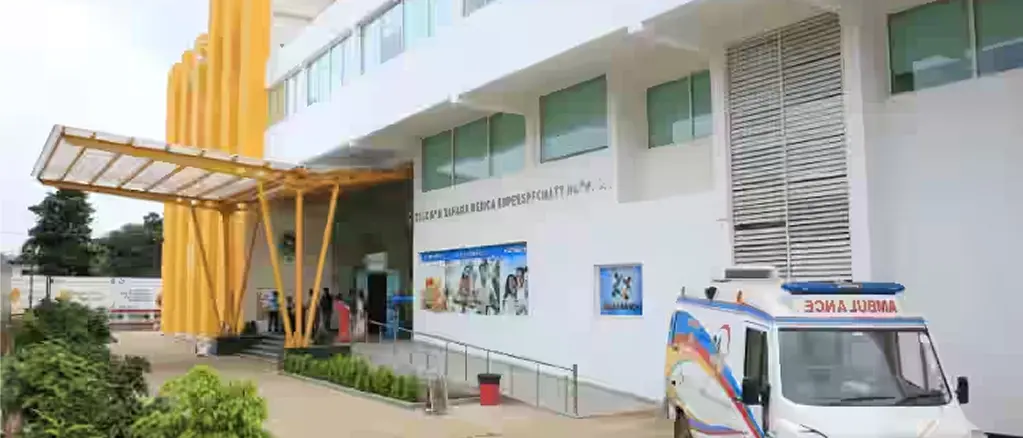
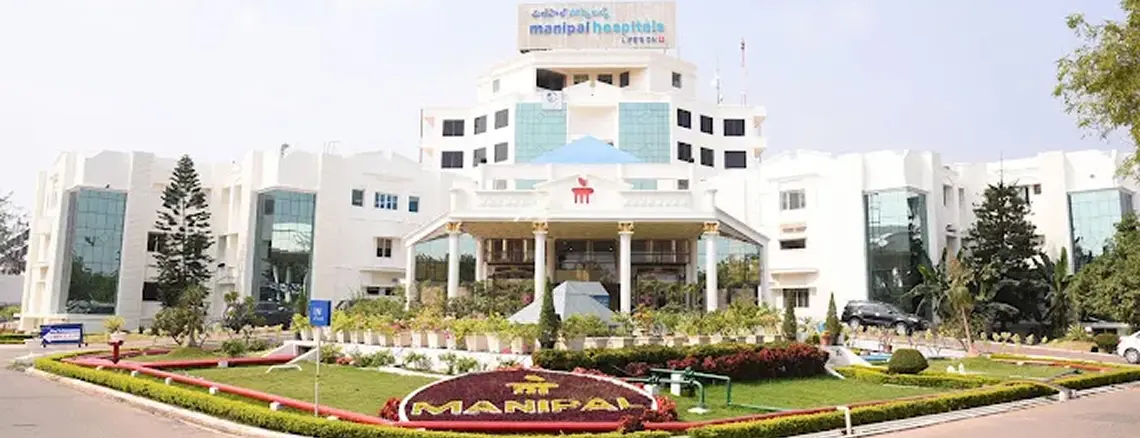
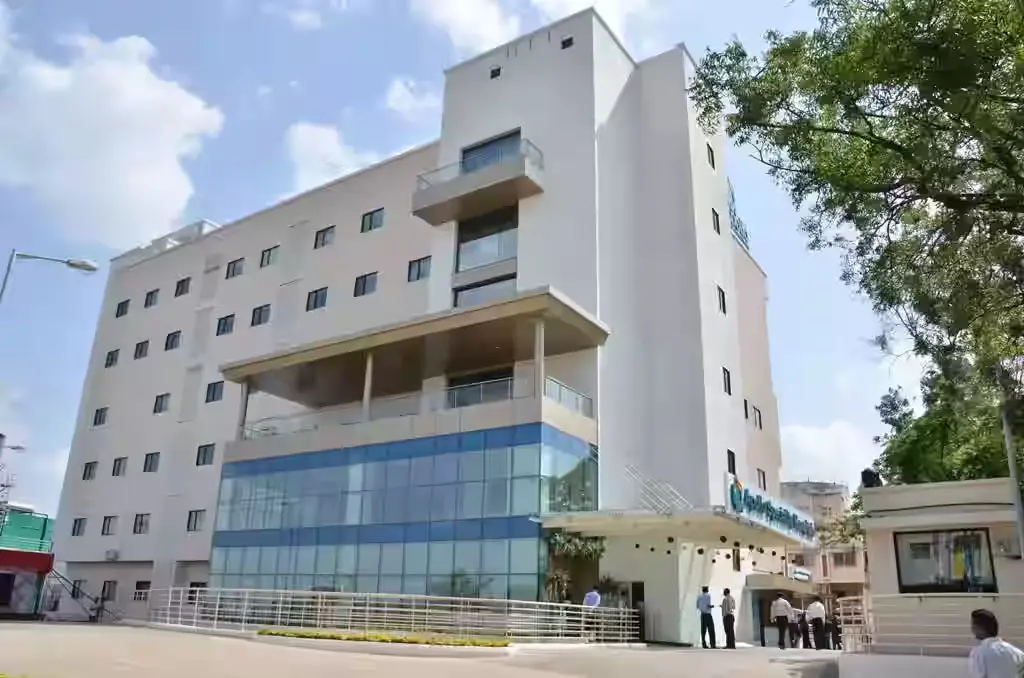
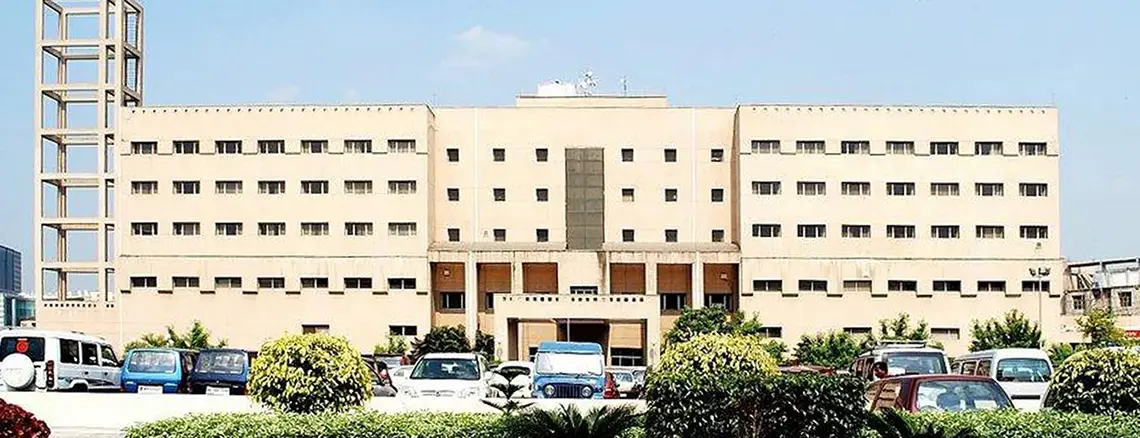
Trusted Hospitals Performing Biliary Atresia in India
Accredited hospitals in India with dedicated gastroenterology departments for biliary atresia. Compare facilities, specialists, and request itemised package estimates.

Meet the Gastroenterologists Performing Biliary Atresia
Verified gastroenterologists in India with proven experience in biliary atresia, guiding you from consultation through recovery.





Frequently Asked Questions
If you are considering biliary atresia in India, these answers about cost, hospitals, and doctors can help you decide.
Biliary Atresia Near Me
Find leading centres offering biliary atresia across other major medical hubs in India.
Related Procedures in India
Explore other popular treatments and diagnostic procedures in India under Gastroenterology.
