




Liver Transplant Treatment in India



About Liver Transplant
A liver transplant is a complex surgical procedure where a diseased or failing liver is replaced with a healthy liver from a deceased or living donor. It is a life-saving treatment for end-stage liver disease and acute liver failure when no other treatments are effective. The procedure involves removing the damaged liver and connecting the donor liver to the patient's blood vessels and bile ducts. Performed by a specialized liver transplant surgeon, this major operation requires a multidisciplinary team and is followed by lifelong immunosuppressive medication to prevent organ rejection. It offers a chance for a significantly improved quality of life and long-term survival for eligible patients.

Key Highlights
A liver transplant is a major procedure that requires thorough medical evaluation, lifestyle changes, and strong support. While highly effective, it carries risks such as bleeding, infection, and possible rejection of the new liver. After surgery, patients spend several days in intensive monitoring before moving to the transplant unit to begin early recovery. Full recovery continues at home with medication management, follow-up visits, and gradual return to normal activity.
Who is this surgery for?
A liver transplant is recommended for people whose liver can no longer function properly and when no other effective treatments remain. It is typically considered when advanced liver disease threatens life or significantly impacts quality of living.
Candidates Who May Benefit From a Liver Transplant
1. End-Stage Liver Disease (ESLD)
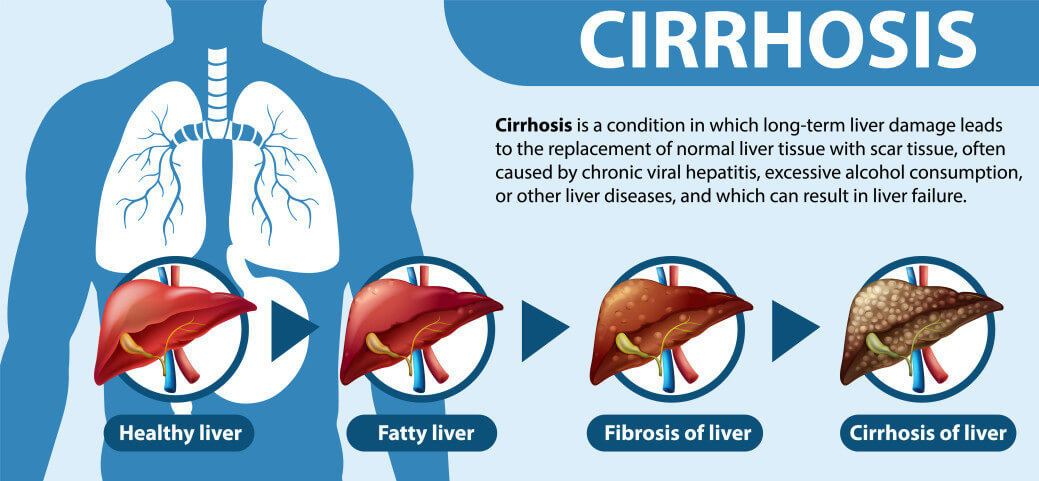
ESLD is the most common reason for transplant. It occurs after long-term liver damage leads to liver failure. Common causes include:
- Cirrhosis from chronic hepatitis B or C
- Alcohol-related liver disease
- Non-alcoholic fatty liver disease (NAFLD / NASH)
2. Acute Liver Failure
Sudden, severe loss of liver function — often caused by infections, medication toxicity (such as acetaminophen overdose), or autoimmune disease — may require urgent transplantation.
3. Certain Liver Cancers
A transplant may be an option for patients with hepatocellular carcinoma (HCC) or other liver tumors that meet specific medical criteria.
4. Genetic or Metabolic Disorders
Inherited or metabolic conditions that damage the liver may require transplantation, such as:
- Wilson’s disease
- Hemochromatosis
- Alpha-1 antitrypsin deficiency
5. Pediatric Liver Conditions
Children with congenital or early-onset liver diseases — including biliary atresia and metabolic disorders — may also be candidates for liver transplant.
Who Is Not Typically a Suitable Candidate?
A liver transplant may not be recommended for individuals with:
- Active, uncontrolled infections
- Untreated alcohol or substance dependency
- Severe, irreversible heart or lung disease
- Cancer that has spread outside the liver
How Candidates Are Evaluated
Before joining the transplant waiting list, patients complete a thorough evaluation that may include:
- Blood tests and imaging (CT, MRI, ultrasound)
- Assessment of heart, lung, and kidney function
- Psychosocial evaluation and support system review
- Consultations with transplant specialists
How to prepare
Preparing for a liver transplant involves completing medical evaluations, making lifestyle changes, organizing support, and understanding what to expect before and after surgery. Proper preparation helps improve outcomes and recovery.
1. Complete the Transplant Evaluation
Before being placed on the transplant waiting list, every patient undergoes a detailed medical evaluation. This ensures the surgery is safe and appropriate.
- Blood tests and lab work
- Imaging scans (CT, MRI, ultrasound)
- Heart and lung assessments
- Cancer screenings
- Dental evaluation to prevent infection
- Meetings with the hepatologist, transplant surgeon, social worker, psychologist, and dietitian
2. Follow All Medical Instructions
Your transplant team will provide specific steps to prepare your body for surgery and maintain stability while waiting.
- Take medications exactly as prescribed
- Manage chronic conditions (blood pressure, diabetes, infections)
- Stay up to date with vaccinations
- Attend all scheduled appointments
- Notify your care team of any new symptoms
3. Make Lifestyle Changes
Healthy habits reduce surgical risks and improve long-term transplant success.
- Stop alcohol use completely
- Stop smoking or vaping
- Avoid all illegal or non-prescribed substances
- Follow a liver-friendly diet (low sodium, balanced nutrition)
- Maintain or work toward a healthy weight
- Exercise regularly as tolerated
4. Prepare Emotionally and Mentally
A liver transplant is a major life event. Emotional readiness supports better healing and long-term adherence to care.
- Consider counseling or support groups
- Talk to previous transplant recipients
- Involve family or close friends early
- Learn what to expect before, during, and after surgery
5. Organize Your Support System
Most transplant centers require patients to have reliable support before and after surgery.
- Identify a caregiver to help with appointments and recovery
- Arrange transportation for clinic visits
- Plan help with daily tasks during early recovery
- Ensure someone can assist with medications and follow-up care

Risks & possible complications
A liver transplant is a major surgery, and while it can be life-saving, it also carries certain risks and potential complications. Understanding these helps patients and families prepare and know what to watch for during recovery.
Surgical Risks
- Bleeding during or after surgery
- Blood clots that may form in major vessels
- Bile duct complications, such as leaks or blockages
- Injury to surrounding organs during the procedure
Infection Risks
The immune-suppressing medications needed to protect the new liver can increase infection risk.
- Bacterial, viral, or fungal infections
- Wound infections after surgery
- Opportunistic infections due to weakened immunity
Rejection of the New Liver
The body may see the transplanted liver as foreign and attempt to attack it. Rejection can happen early or even years later.
- Acute rejection (common, especially within the first months)
- Chronic rejection (less common, slower progression)
- Need for medication adjustments or additional treatment
Complications From Immunosuppressant Medications
- Increased risk of infections
- High blood pressure
- Kidney problems
- Weight gain or metabolic changes
- High cholesterol or diabetes
Other Potential Complications
- Delayed graft function (slow start of the new liver)
- Hernias near the incision site
- Fluid buildup in the abdomen or chest
- Long-term fatigue or muscle weakness
While these risks are real, transplant teams closely monitor patients before, during, and long after surgery to reduce complications and ensure the best possible outcome.

Recovery & hospital stay
Recovery after a liver transplant happens in stages, beginning in the hospital immediately after surgery and continuing at home for several months. Each phase focuses on healing, monitoring the new liver, and adjusting medications to ensure long-term success.
Hospital Stay After Surgery
- ICU Recovery (1–2 days or more): Patients are closely monitored for breathing, heart function, bleeding, and early signs of rejection or infection.
- Transition to Regular Transplant Unit: Most patients spend 1–2 weeks in the hospital, depending on progress and complications.
- Drain and catheter removal: Tubes placed during surgery are removed gradually as healing improves.
- Early mobility: Patients are encouraged to sit up, walk, and perform light movements to support circulation and reduce complications.
- Medication adjustments: Doctors fine-tune immunosuppressants and monitor for side effects.
Pain Management
Pain after surgery is normal. The medical team will provide controlled pain relief to ensure comfort and support mobility during recovery.
Monitoring During Hospital Stay
- Regular blood tests to check liver function
- Ultrasounds or scans to ensure proper blood flow
- Monitoring for infection, rejection, or bile duct issues
- Education on medications and self-care before discharge
Recovery at Home
Full recovery can take several months. Following medical advice at home is key to long-term transplant success.
- Follow-up appointments: Frequent clinic visits and blood tests in the first weeks, then gradually less often.
- Medication adherence: Immunosuppressants must be taken exactly as prescribed to prevent rejection.
- Activity: Light walking is encouraged; avoid heavy lifting for at least 6–12 weeks.
- Incision care: Keep the area clean and report signs of infection.
- Diet: A balanced, low-sodium diet supports healing and overall liver health.
When to Seek Medical Help
- Fever or signs of infection
- Increasing pain, redness, or swelling around the incision
- Yellowing of the skin or eyes
- Sudden weight gain or swelling
- Changes in urine or stool color
Your transplant team will provide detailed instructions and follow you closely throughout your recovery to ensure the new liver functions well and complications are quickly addressed.
-
 Typical hospital stay:
10-30 days
Typical hospital stay:
10-30 days
-
Expected recovery time:
3-6 months for initial recovery; 1 year for full recovery
Frequently Asked Questions
If you are considering liver transplant in India, these questions and answers can help you make a confident, informed decision.
Popular choices for liver transplant in India include Gem Hospital, Gem Hospital Perungudi, Miot Hospital, Nanavati Max Hospital, Kamineni Hospital, Tadigadapa, known for experienced specialists and advanced surgical infrastructure.
Look at the doctor’s years of experience, hospital association, patient reviews, and how often they perform liver transplant. MediFyr helps you compare liver transplant specialists and book consultations online.
The overall cost depends on hospital category, surgeon’s experience, room type, implant or device used (if any), length of stay, tests, and post-operative care. Our team can help you get cost estimates from multiple hospitals before you decide.
Procedure cost in other countries
Here is an overview of how the estimated cost, hospital stay, and recovery time for liver transplant compare across other countries where we have data.
| Country | Estimated cost range | Typical stay | Recovery time | View details |
|---|---|---|---|---|
| United Arab Emirates | USD 22,800 – USD 56,700 | 10-30 days | ~ 3-6 months for initial recovery; 1 year for full recovery | Know More |
| Thailand | USD 22,800 – USD 47,200 | 10-30 days | ~ 3-6 months for initial recovery; 1 year for full recovery | Know More |
| South Korea | USD 20,800 – USD 65,990 | 10-30 days | ~ 3-6 months for initial recovery; 1 year for full recovery | Know More |
| India | USD 15,773 – USD 31,547 | 10-30 days | ~ 3-6 months for initial recovery; 1 year for full recovery | Know More |
| Turkey | USD 137,122 – USD 266,627 | 10-30 days | ~ 3-6 months for initial recovery; 1 year for full recovery | Know More |
Top hospitals for Liver Transplant in India
These partner hospitals in India have dedicated liver transplantation teams and experience managing patients undergoing liver transplant.


 Mumbai, India
 187 Doctors






The recovery process was smooth thanks...
The recovery process was smooth thanks to Dr. ashok selvaraj's expertise. Highly recommend for orthopedics treatment.
Liver Transplant Specialists for Liver Transplant
Explore experienced liver transplant specialists who regularly perform liver transplant and provide pre- and post-operative care in India.


- 18 Years Experience
- Liver Transplant Specialist
 Miot Hospital Chennai

- 18 Years Experience
- Liver Transplant Specialist
Miot Hospital Chennai

- 9 Years Experience
- Liver Transplant Specialist
Miot Hospital Chennai

- 24 Years Experience
- Liver Transplant Specialist
Manipal Hospital Yeshwanthpur

- 15 Years Experience
- Liver Transplant Specialist
Manipal Hospital Sarjapur Road

- 10 Years Experience
- Liver Transplant Specialist
Manipal Hospital Sarjapur Road

- 34 Years Experience
- Liver Transplant Specialist
Manipal Hospital Old Airport Road

- 15 Years Experience
- Liver Transplant Specialist
Manipal Hospital Old Airport Road

- 23 Years Experience
- Liver Transplant Specialist
Manipal Hospital Old Airport Road

- 21 Years Experience
- Liver Transplant Specialist
Gem Hospital Coimbatore