

Vitreoretinal Disease Cost in Bursa
How Much Does Vitreoretinal Disease Cost in Bursa?
What Affects the Cost of Vitreoretinal Disease?
Two patients rarely pay the same amount. These are the variables that move your final bill up or down in Bursa.
Hospital category
Accredited multi-speciality and quaternary-care hospitals price higher than mid-tier facilities, infrastructure and outcomes differ too.
Surgeon's experience
Senior specialists who perform this procedure frequently command higher professional fees, and typically shorter, safer recoveries.
Room category
General ward, twin-sharing, private, and suite rooms carry different nightly tariffs, and most other charges scale with the room class.
Implants, devices & consumables
Where the procedure uses implants or specialised consumables, the brand and grade chosen can change the bill significantly.
Length of stay & ICU time
Each extra night, especially in ICU, adds room, nursing, and monitoring charges beyond the quoted package.
Diagnostics & post-operative care
Pre-surgery work-up, imaging, lab tests, physiotherapy, and follow-up consultations vary with your overall health and recovery.
What a Hospital Package Typically Covers
Quoted estimates are usually packages. Knowing what sits inside - and outside - the package is how you avoid surprise bills.
Usually Included
- Surgeon, anaesthetist & operating theatre charges
- Standard room stay for the quoted number of nights
- Routine in-hospital nursing, medication & consumables
- Standard pre-operative work-up linked to the procedure
- One post-discharge follow-up consultation (varies)
Commonly Billed Separately
- Premium implants, devices, or consumables beyond the package grade
- Extended ICU stay or unplanned interventions
- Managing comorbidities (diabetes, cardiac, kidney conditions)
- Medicines and rehabilitation after discharge
- Travel, accommodation & visa support for outstation patients
Every hospital defines its package differently. Always confirm what your final quote covers. MediFyr can collect itemised estimates from multiple hospitals in Bursa so you compare like for like.
About Vitreoretinal Disease
Key Highlights
Who Is This Surgery For?
- Retinal detachment, a medical emergency where the retina pulls away from its supportive tissue.
- Diabetic retinopathy, including vitreous hemorrhage or tractional retinal detachment.
- Macular hole or pucker (epiretinal membrane) causing central vision distortion.
- Complications from severe eye trauma.
- Posterior vitreous detachment with significant symptoms or retinal tear.
- Age-related macular degeneration with complications like hemorrhage.
- Infectious endophthalmitis (severe eye infection).
How to Prepare
- Comprehensive eye examination including OCT and ultrasound imaging.
- Review of medical history and current medications; may need to adjust blood thinners.
- Pre-operative blood tests and clearance from a physician if needed.
- Fasting for several hours before surgery if general anesthesia is planned.
- Arranging for transportation home post-procedure as driving is not permitted.
- Use of prescribed antibiotic eye drops before surgery to reduce infection risk.
Risks & Possible Complications
- Infection (endophthalmitis), a serious but rare complication.
- Increased intraocular pressure (glaucoma).
- Cataract formation or acceleration, especially after vitrectomy.
- Retinal detachment or re-detachment.
- Bleeding inside the eye (vitreous hemorrhage).
- Corneal edema or swelling.
- Vision loss, though the goal of surgery is to prevent this.
Recovery & Hospital Stay
- An eye patch or shield must be worn as directed, especially while sleeping.
- Strict use of prescribed antibiotic and anti-inflammatory eye drops for several weeks.
- Avoid strenuous activity, heavy lifting, and bending over for the time specified by the surgeon.
- Keep water and soap out of the eye; avoid swimming for several weeks.
- Attend all scheduled follow-up appointments for monitoring pressure and healing.
- Vision may be blurry initially; final visual recovery can take weeks to months.
- Report sudden pain, vision loss, or increased redness immediately.
- Typical hospital stay: 0-2 days
- Expected recovery time: 2-8 weeks
Vitreoretinal Disease Cost Across Cities
Estimated cost, typical hospital stay, and recovery time compared in one currency, sorted from most affordable. (USD)
| City | Estimated cost | vs Bursa | Typical stay | |
|---|---|---|---|---|
|
Gaziosmanpaşa
Most affordable
|
$3,161 to $15,805 | ≈ 11% lower | 0-2 days | Know More |
|
Bahçelievler
|
$3,300 to $16,500 | ≈ 7% lower | 0-2 days | Know More |
|
Istanbul
|
$3,405 to $17,021 | Similar | 0-2 days | Know More |
|
Keçiören
|
$3,474 to $17,368 | Similar | 0-2 days | Know More |
|
Bursa
You're viewing
|
$3,543 to $17,715 | – | 0-2 days | |
|
Konak
|
$3,613 to $18,063 | Similar | 0-2 days | Know More |
|
Maltepe
|
$3,682 to $18,410 | Similar | 0-2 days | Know More |
|
Pristina
|
$3,682 to $18,410 | Similar | 0-2 days | Know More |
|
Mezitli
|
$3,717 to $18,584 | ≈ 5% higher | 0-2 days | Know More |
|
Pendik
|
$3,717 to $18,584 | ≈ 5% higher | 0-2 days | Know More |
Trusted Hospitals Performing Vitreoretinal Disease in Bursa
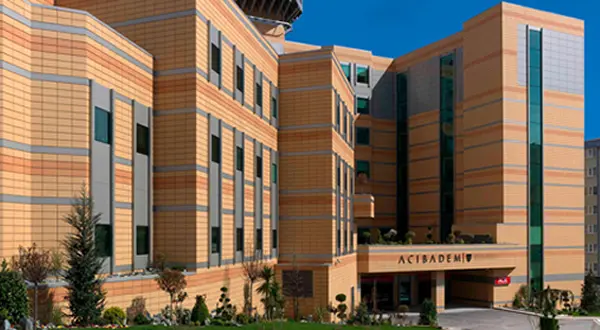
Accredited hospitals in Bursa with dedicated ophthalmology departments for vitreoretinal disease. Compare facilities, specialists, and request itemised package estimates.

Meet the Ophthalmologists Performing Vitreoretinal Disease
Verified ophthalmologists in Bursa with proven experience in vitreoretinal disease, guiding you from consultation through recovery.


Frequently Asked Questions
If you are considering vitreoretinal disease in Bursa, these answers about cost, hospitals, and doctors can help you decide.
Vitreoretinal Disease Near Me
Find leading centres offering vitreoretinal disease across other major medical hubs in Turkey.
Related Procedures in Bursa
Explore other popular treatments and diagnostic procedures in Bursa under Ophthalmology.
