

Urinary Stones Cost in India
How Much Does Urinary Stones Cost in India?
What Affects the Cost of Urinary Stones?
Two patients rarely pay the same amount. These are the variables that move your final bill up or down in India.
Hospital category
Accredited multi-speciality and quaternary-care hospitals price higher than mid-tier facilities, infrastructure and outcomes differ too.
Surgeon's experience
Senior specialists who perform this procedure frequently command higher professional fees, and typically shorter, safer recoveries.
Room category
General ward, twin-sharing, private, and suite rooms carry different nightly tariffs, and most other charges scale with the room class.
Implants, devices & consumables
Where the procedure uses implants or specialised consumables, the brand and grade chosen can change the bill significantly.
Length of stay & ICU time
Each extra night, especially in ICU, adds room, nursing, and monitoring charges beyond the quoted package.
Diagnostics & post-operative care
Pre-surgery work-up, imaging, lab tests, physiotherapy, and follow-up consultations vary with your overall health and recovery.
What a Hospital Package Typically Covers
Quoted estimates are usually packages. Knowing what sits inside - and outside - the package is how you avoid surprise bills.
Usually Included
- Surgeon, anaesthetist & operating theatre charges
- Standard room stay for the quoted number of nights
- Routine in-hospital nursing, medication & consumables
- Standard pre-operative work-up linked to the procedure
- One post-discharge follow-up consultation (varies)
Commonly Billed Separately
- Premium implants, devices, or consumables beyond the package grade
- Extended ICU stay or unplanned interventions
- Managing comorbidities (diabetes, cardiac, kidney conditions)
- Medicines and rehabilitation after discharge
- Travel, accommodation & visa support for outstation patients
Every hospital defines its package differently. Always confirm what your final quote covers. MediFyr can collect itemised estimates from multiple hospitals in India so you compare like for like.
About Urinary Stones
Key Highlights
Who Is This Surgery For?
- Severe, unmanageable pain (renal colic) that does not respond to medication.
- Large stone size (typically >6-7mm) unlikely to pass spontaneously.
- Obstruction of urine flow causing kidney swelling (hydronephrosis).
- Recurrent urinary tract infections linked to the presence of stones.
- Kidney damage or risk of damage due to persistent blockage.
- Stones in a solitary kidney or in both ureters simultaneously.
- Failure of conservative management (e.g., hydration, pain control) over a reasonable period.
How to Prepare
- Medical Evaluation: Complete blood tests, urine analysis, and imaging (CT scan, X-ray, or ultrasound) to map the stone.
- Medication Review: Inform your urologist of all medications, especially blood thinners, which may need to be paused.
- Fasting: Typically, no food or drink for 6-8 hours before a procedure requiring anesthesia.
- Pre-operative Counseling: Discussion of the chosen procedure, risks, benefits, and expected outcomes with your urologist.
- Arrangements: Plan for someone to drive you home after the procedure and assist you if needed during initial recovery.
Risks & Possible Complications
- Bleeding: Minor bleeding in urine (hematuria) is common; significant bleeding is rare.
- Infection: Risk of urinary tract infection or sepsis, managed with antibiotics.
- Incomplete Stone Clearance: Fragments may remain, requiring additional procedures.
- Injury to Surrounding Tissues: Rare risk of damage to the ureter, kidney, or nearby organs.
- Stricture: Scarring and narrowing of the ureter over time.
- Anesthesia Risks: Reactions related to general or spinal anesthesia.
- Steinstrasse: A column of stone fragments causing a blockage in the ureter after ESWL.
Recovery & Hospital Stay
- Immediate Post-Op: You may have a temporary stent (a small tube in the ureter) to promote healing and drainage, which can cause bladder discomfort.
- Pain Management: Mild to moderate pain is normal; prescribed painkillers and antispasmodics will help.
- Hydration: Drink plenty of water (2-3 liters daily) to help flush out any remaining fragments and prevent new stones.
- Activity: Avoid strenuous exercise, heavy lifting, and driving for 1-2 weeks or as advised. Light walking is encouraged.
- Follow-up: Attend all scheduled appointments for imaging to confirm stone clearance and for stent removal if placed.
- Dietary Changes: Your urologist may recommend dietary modifications based on your stone type to prevent recurrence.
- Typical hospital stay: 0-3 days
- Expected recovery time: 1-3 weeks
Urinary Stones Cost Across Countries
Estimated cost, typical hospital stay, and recovery time compared in one currency, sorted from most affordable. (USD)
| Country | Estimated cost | vs India | Typical stay | |
|---|---|---|---|---|
|
India
You're viewing
|
$532 to $3,193 | – | 0-3 days | |
|
Turkey
|
$3,471 to $20,825 | ≈ 552% higher | 0-3 days | Know More |
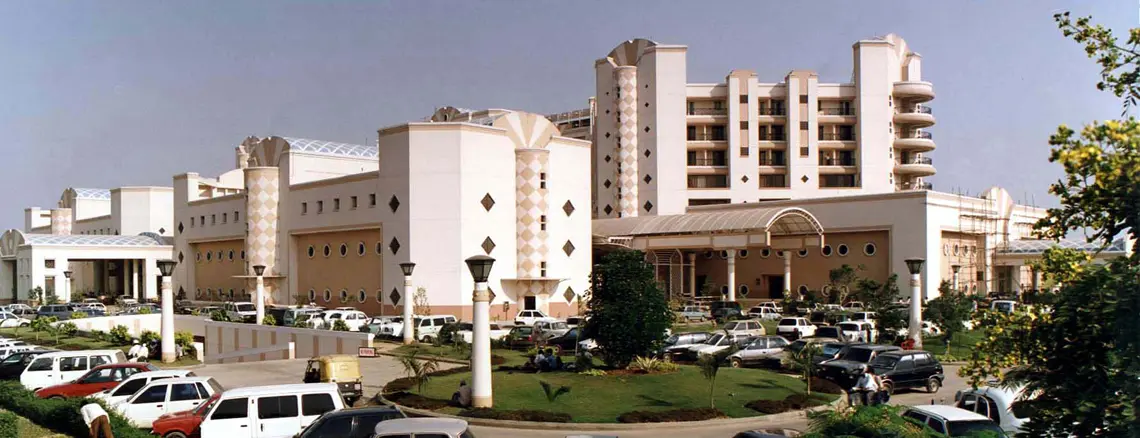
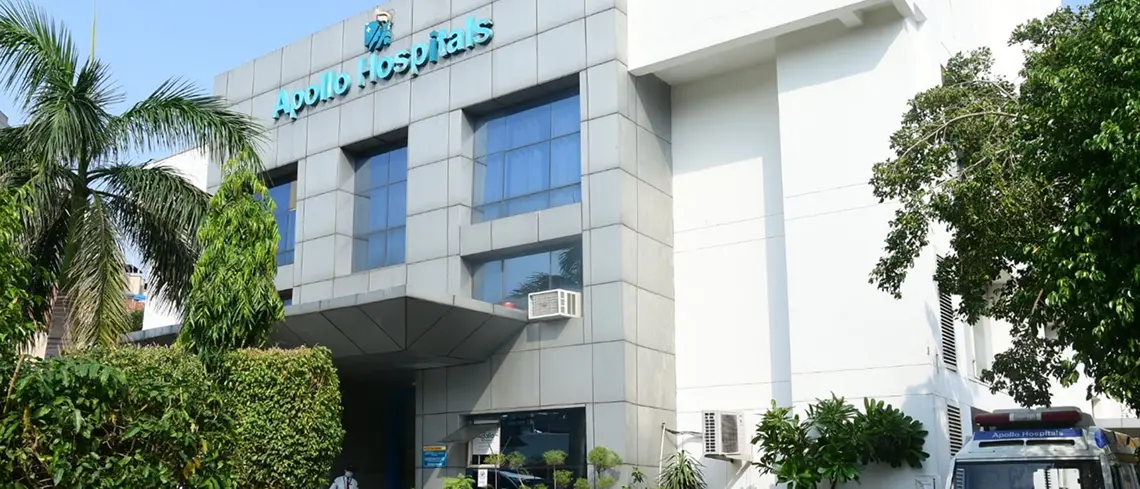
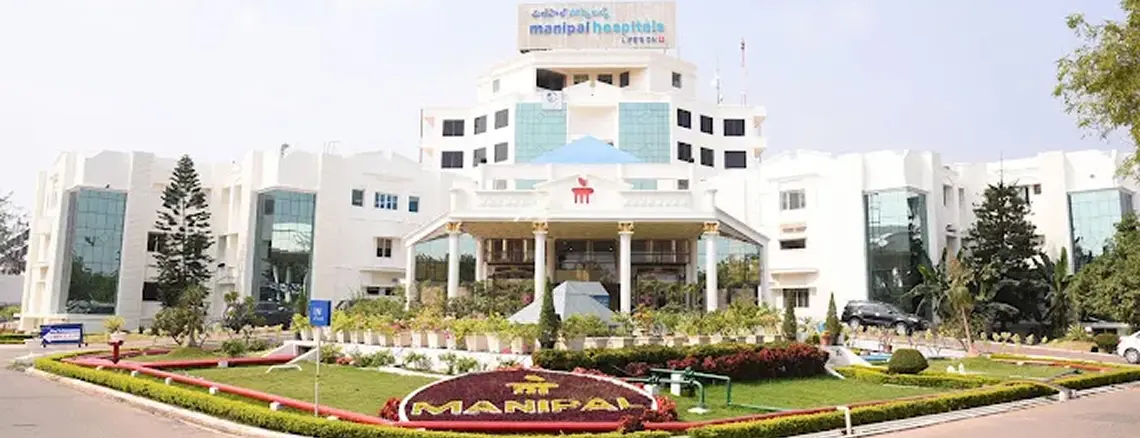
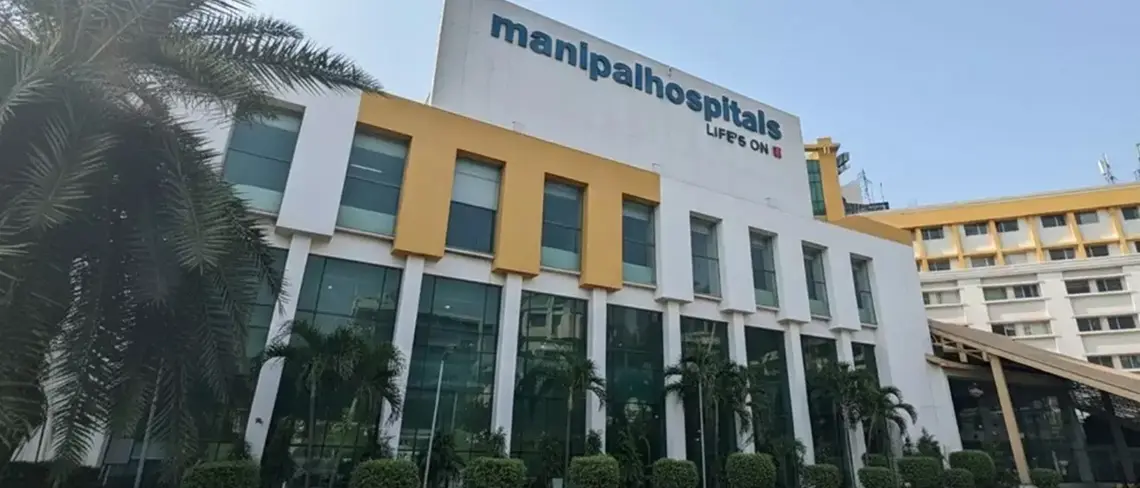
Trusted Hospitals Performing Urinary Stones in India
Accredited hospitals in India with dedicated urology departments for urinary stones. Compare facilities, specialists, and request itemised package estimates.

Meet the Urologists Performing Urinary Stones
Verified urologists in India with proven experience in urinary stones, guiding you from consultation through recovery.




Frequently Asked Questions
If you are considering urinary stones in India, these answers about cost, hospitals, and doctors can help you decide.
Urinary Stones Near Me
Find leading centres offering urinary stones across other major medical hubs in India.
Related Procedures in India
Explore other popular treatments and diagnostic procedures in India under Urology.
