

Electrocautery Cost in Istanbul
How Much Does Electrocautery Cost in Istanbul?
What Affects the Cost of Electrocautery?
Two patients rarely pay the same amount. These are the variables that move your final bill up or down in Istanbul.
Hospital category
Accredited multi-speciality and quaternary-care hospitals price higher than mid-tier facilities, infrastructure and outcomes differ too.
Surgeon's experience
Senior specialists who perform this procedure frequently command higher professional fees, and typically shorter, safer recoveries.
Room category
General ward, twin-sharing, private, and suite rooms carry different nightly tariffs, and most other charges scale with the room class.
Implants, devices & consumables
Where the procedure uses implants or specialised consumables, the brand and grade chosen can change the bill significantly.
Length of stay & ICU time
Each extra night, especially in ICU, adds room, nursing, and monitoring charges beyond the quoted package.
Diagnostics & post-operative care
Pre-surgery work-up, imaging, lab tests, physiotherapy, and follow-up consultations vary with your overall health and recovery.
What a Hospital Package Typically Covers
Quoted estimates are usually packages. Knowing what sits inside - and outside - the package is how you avoid surprise bills.
Usually Included
- Surgeon, anaesthetist & operating theatre charges
- Standard room stay for the quoted number of nights
- Routine in-hospital nursing, medication & consumables
- Standard pre-operative work-up linked to the procedure
- One post-discharge follow-up consultation (varies)
Commonly Billed Separately
- Premium implants, devices, or consumables beyond the package grade
- Extended ICU stay or unplanned interventions
- Managing comorbidities (diabetes, cardiac, kidney conditions)
- Medicines and rehabilitation after discharge
- Travel, accommodation & visa support for outstation patients
Every hospital defines its package differently. Always confirm what your final quote covers. MediFyr can collect itemised estimates from multiple hospitals in Istanbul so you compare like for like.
About Electrocautery
Key Highlights
Who Is This Surgery For?
- Atrial Fibrillation (AFib): The most common reason, especially for symptomatic, drug-resistant, or paroxysmal AFib.
- Atrial Flutter: Another common supraventricular tachycardia effectively treated with ablation.
- Ventricular Tachycardia (VT): Used to treat dangerous, fast heart rhythms originating in the ventricles.
- Supraventricular Tachycardia (SVT): Including conditions like AV nodal reentrant tachycardia (AVNRT) or Wolff-Parkinson-White (WPW) syndrome.
- Failed Medication Therapy: When antiarrhythmic drugs are ineffective, not tolerated, or the patient wishes to avoid long-term medication.
- Symptomatic Arrhythmias: When the irregular heartbeat causes significant symptoms like palpitations, chest pain, shortness of breath, or fainting.
How to Prepare
- Comprehensive Evaluation: Undergo tests like an ECG, Holter monitor, echocardiogram, and possibly a cardiac MRI or CT scan to map the heart's structure and electrical activity.
- Medication Review: Your cardiologist will provide specific instructions on which heart medications (especially blood thinners and antiarrhythmics) to stop or continue before the procedure.
- Fasting: You will be asked to refrain from eating or drinking (typically for 6-12 hours) before the procedure.
- Consent & Discussion: A detailed discussion of the procedure's benefits, risks, and alternatives, followed by signing an informed consent form.
- Pre-operative Tests: Routine blood tests and possibly a chest X-ray to ensure you are fit for the procedure.
- Transportation Arrangements: Plan for someone to drive you home after discharge, as sedation is used.
Risks & Possible Complications
- Bleeding or Bruising: At the catheter insertion site in the groin or wrist.
- Blood Clots: Can form at the catheter site or in the heart, potentially leading to stroke or pulmonary embolism.
- Cardiac Tamponade: A rare but serious risk where the heart wall is punctured, causing fluid to build up around the heart.
- Damage to Heart Structures: Potential injury to heart valves, coronary arteries, or the electrical system, possibly requiring a pacemaker.
- Recurrence of Arrhythmia: The abnormal rhythm may return, sometimes requiring a repeat procedure.
- Infection: At the insertion site or, very rarely, within the heart (endocarditis).
- Reaction to Sedation or Contrast Dye: Including allergic reactions or breathing problems.
- Phrenic Nerve Injury: Rarely, the nerve controlling the diaphragm can be affected, causing temporary shortness of breath.
Recovery & Hospital Stay
- Immediate Post-Procedure: You will rest in a recovery area for several hours with pressure on the insertion site. Vital signs and heart rhythm are closely monitored.
- Hospital Stay: Typically an overnight stay for observation, though some simple ablations may be done as day procedures.
- Activity Restrictions: Avoid strenuous activity, heavy lifting, and driving for about a week to allow the insertion site to heal fully.
- Wound Care: Keep the catheter site clean and dry; watch for signs of infection like increased redness, swelling, or drainage.
- Medication: You may be prescribed blood thinners (anticoagulants) for several weeks to months to prevent stroke, even if the rhythm is normal.
- Follow-up: A follow-up appointment with your cardiologist is scheduled within a few weeks to check your heart rhythm and assess the procedure's success.
- Symptom Monitoring: Report any recurrence of palpitations, chest pain, fever, or significant swelling at the groin site to your doctor immediately.
- Typical hospital stay: 1-2 days
- Expected recovery time: 1-2 weeks for normal activities; 4-6 weeks for full recovery and strenuous exercise
Patient Stories & Scorecard
MediFyr compiles this rating from verified patient feedback and clinical stories. We score those responses across 10 metrics to produce the overall experience figure. Read the full methodology.
Verified Patient Review
Patient experience for Electrocautery is tracked across multiple care coordinates, from pre-surgical consultation to post-operative recovery and follow-up.
Patient Experience Metrics
Surgical Outcome
Satisfaction with the clinical result and overall surgical success.
Hospital Experience
Satisfaction with nursing staff, cleanliness, and ward support.
Recovery Support
Satisfaction with post-operative care and follow-up.
Recent Patient Comments
“better than others”
“Tired of doctors just giving medicine. Dr Siodia actually gave specific tips on salt and walking that finally improved my bp readings.”

Electrocautery Cost Across Cities
Estimated cost, typical hospital stay, and recovery time compared in one currency, sorted from most affordable. (USD)
| City | Estimated cost | vs Istanbul | Typical stay | |
|---|---|---|---|---|
|
Akçaabat
Most affordable
|
$9,350 to $28,050 | ≈ 8% lower | 1-2 days | Know More |
|
Gaziosmanpaşa
|
$9,454 to $28,362 | ≈ 7% lower | 1-2 days | Know More |
|
Bahçelievler
|
$9,870 to $29,609 | Similar | 1-2 days | Know More |
|
Osmangazi
|
$9,973 to $29,920 | Similar | 1-2 days | Know More |
|
Istanbul
You're viewing
|
$10,181 to $30,544 | – | 1-2 days | |
|
Keçiören
|
$10,389 to $31,167 | Similar | 1-2 days | Know More |
|
Konak
|
$10,805 to $32,414 | ≈ 6% higher | 1-2 days | Know More |
|
Maltepe
|
$11,012 to $33,037 | ≈ 8% higher | 1-2 days | Know More |
|
Mezitli
|
$11,116 to $33,349 | ≈ 9% higher | 1-2 days | Know More |
|
Pendik
|
$11,116 to $33,349 | ≈ 9% higher | 1-2 days | Know More |
Trusted Hospitals Performing Electrocautery in Istanbul
Accredited hospitals in Istanbul with dedicated cardiology departments for electrocautery. Compare facilities, specialists, and request itemised package estimates.



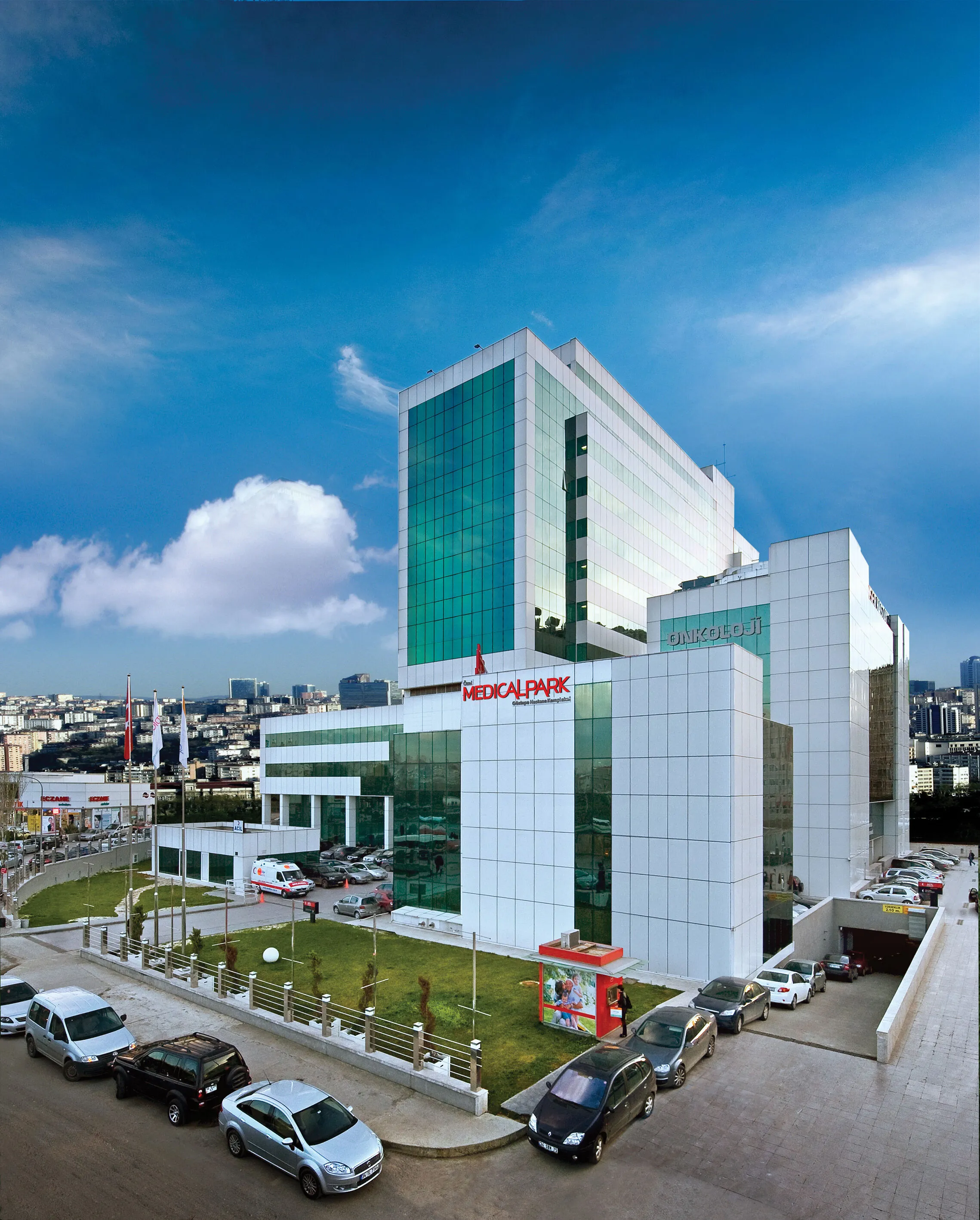

Meet the Cardiologists Performing Electrocautery
Verified cardiologists in Istanbul with proven experience in electrocautery, guiding you from consultation through recovery.





Frequently Asked Questions
If you are considering electrocautery in Istanbul, these answers about cost, hospitals, and doctors can help you decide.
Electrocautery Near Me
Find leading centres offering electrocautery across other major medical hubs in Turkey.
Related Procedures in Istanbul
Explore other popular treatments and diagnostic procedures in Istanbul under Cardiology.
