

Compound Fracture Cost in Kakinada
How Much Does Compound Fracture Cost in Kakinada?
What Affects the Cost of Compound Fracture?
Two patients rarely pay the same amount. These are the variables that move your final bill up or down in Kakinada.
Hospital category
Accredited multi-speciality and quaternary-care hospitals price higher than mid-tier facilities, infrastructure and outcomes differ too.
Surgeon's experience
Senior specialists who perform this procedure frequently command higher professional fees, and typically shorter, safer recoveries.
Room category
General ward, twin-sharing, private, and suite rooms carry different nightly tariffs, and most other charges scale with the room class.
Implants, devices & consumables
Where the procedure uses implants or specialised consumables, the brand and grade chosen can change the bill significantly.
Length of stay & ICU time
Each extra night, especially in ICU, adds room, nursing, and monitoring charges beyond the quoted package.
Diagnostics & post-operative care
Pre-surgery work-up, imaging, lab tests, physiotherapy, and follow-up consultations vary with your overall health and recovery.
What a Hospital Package Typically Covers
Quoted estimates are usually packages. Knowing what sits inside - and outside - the package is how you avoid surprise bills.
Usually Included
- Surgeon, anaesthetist & operating theatre charges
- Standard room stay for the quoted number of nights
- Routine in-hospital nursing, medication & consumables
- Standard pre-operative work-up linked to the procedure
- One post-discharge follow-up consultation (varies)
Commonly Billed Separately
- Premium implants, devices, or consumables beyond the package grade
- Extended ICU stay or unplanned interventions
- Managing comorbidities (diabetes, cardiac, kidney conditions)
- Medicines and rehabilitation after discharge
- Travel, accommodation & visa support for outstation patients
Every hospital defines its package differently. Always confirm what your final quote covers. MediFyr can collect itemised estimates from multiple hospitals in Kakinada so you compare like for like.
About Compound Fracture
Key Highlights
Who Is This Surgery For?
- Suffering a high-energy trauma (e.g., car accident, fall from height) resulting in a bone breaking through the skin.
- Presence of an open wound at the fracture site, with or without visible bone.
- To prevent deep infection (osteomyelitis) and sepsis, which are major risks with open fractures.
- To stabilize severely displaced bone fragments that cannot be managed with a cast alone.
- To address associated injuries to blood vessels, nerves, or significant soft tissue loss that requires surgical repair.
How to Prepare
- Emergency Assessment: Immediate evaluation in the Emergency Department, including imaging (X-rays, CT scan) and assessment of neurovascular status.
- Infection Control: Administration of intravenous antibiotics and a tetanus booster as soon as possible.
- Wound Care: The wound is covered with a sterile, moist dressing. The exposed bone is not pushed back in.
- Stabilization: The limb is immobilized using a splint to prevent further damage.
- Pre-operative Tests: Blood tests, ECG, and other evaluations to ensure the patient is fit for surgery.
- Consent: Discussion of the procedure, risks, benefits, and alternative options with the orthopedic surgeon.
Risks & Possible Complications
- Infection: High risk of deep bone infection (osteomyelitis) or soft tissue infection despite precautions.
- Nonunion or Malunion: The bone may fail to heal (nonunion) or heal in an incorrect position (malunion).
- Nerve or Blood Vessel Damage: Injury from the initial trauma or during surgery, potentially leading to numbness, weakness, or circulation problems.
- Compartment Syndrome: Dangerous swelling within the muscle compartments, requiring emergency surgery (fasciotomy).
- Hardware Issues: Pain, irritation, or failure of the plates, screws, or rods, which may require a second surgery for removal.
- Blood Clots: Risk of deep vein thrombosis (DVT) or pulmonary embolism (PE) due to immobility.
- Stiffness and Arthritis: Long-term joint stiffness or post-traumatic arthritis in the affected area.
Recovery & Hospital Stay
- Hospital Stay: Initial recovery in the hospital with pain management, IV antibiotics, and monitoring for complications.
- Wound Care: Keeping the surgical incision clean and dry, with instructions on dressing changes and signs of infection.
- Immobilization & Weight-Bearing: Use of a cast, brace, or external fixator. Weight-bearing on the limb is strictly prohibited as advised by the surgeon.
- Physical Therapy: A critical component starting soon after surgery to reduce swelling, maintain muscle strength, and gradually restore joint mobility and function.
- Follow-up Appointments: Regular visits for X-rays to monitor bone healing and adjust the rehabilitation plan.
- Nutrition: A diet rich in protein, calcium, and Vitamin D to support bone healing.
- Long-term Monitoring: Full recovery and return to normal activities or sports can take many months and requires patience and adherence to the rehab protocol.
- Typical hospital stay: 5-10 days
- Expected recovery time: 6 months to 1 year for full functional recovery
Compound Fracture Cost Across Cities
Estimated cost, typical hospital stay, and recovery time compared in one currency, sorted from most affordable. (USD)
| City | Estimated cost | vs Kakinada | Typical stay | |
|---|---|---|---|---|
|
Panaji
Most affordable
|
$1,444 to $4,812 | ≈ 8% lower | 5-10 days | Know More |
|
Karimnagar
|
$1,460 to $4,866 | ≈ 7% lower | 5-10 days | Know More |
|
Mangalore
|
$1,492 to $4,973 | ≈ 5% lower | 5-10 days | Know More |
|
Kakinada
You're viewing
|
$1,572 to $5,240 | – | 5-10 days | |
|
Hyderabad
|
$1,572 to $5,240 | Similar | 5-10 days | Know More |
|
Srikakulam
|
$1,572 to $5,240 | Similar | 5-10 days | Know More |
|
Kozhikode
|
$1,588 to $5,294 | Similar | 5-10 days | Know More |
|
Lucknow
|
$1,604 to $5,347 | Similar | 5-10 days | Know More |
|
New Delhi
|
$1,652 to $5,507 | ≈ 5% higher | 5-10 days | Know More |
|
Delhi
|
$1,764 to $5,882 | ≈ 12% higher | 5-10 days | Know More |
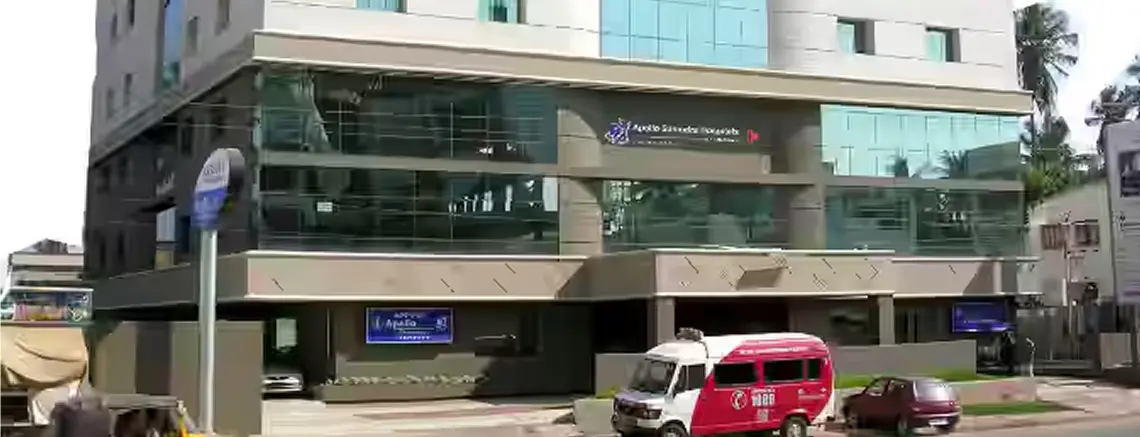
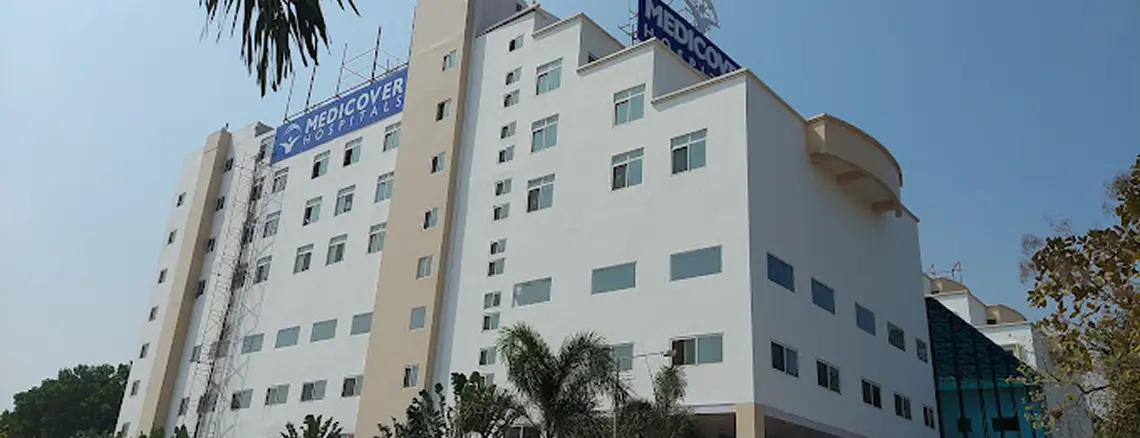
Trusted Hospitals Performing Compound Fracture in Kakinada
Accredited hospitals in Kakinada with dedicated orthopedics departments for compound fracture. Compare facilities, specialists, and request itemised package estimates.

Meet the Orthopedists Performing Compound Fracture
Verified orthopedists in Kakinada with proven experience in compound fracture, guiding you from consultation through recovery.




Frequently Asked Questions
If you are considering compound fracture in Kakinada, these answers about cost, hospitals, and doctors can help you decide.
Compound Fracture Near Me
Find leading centres offering compound fracture across other major medical hubs in India.
Related Procedures in Kakinada
Explore other popular treatments and diagnostic procedures in Kakinada under Orthopedics.
