

Transarterial Chemoembolization (TACE) Cost near Noida
No hospitals and doctors found in Noida. Showing best options from nearby Delhi.
How Much Does Transarterial Chemoembolization (TACE) Cost near Noida?
What Affects the Cost of Transarterial Chemoembolization (TACE)?
Two patients rarely pay the same amount. These are the variables that move your final bill up or down near Noida.
Hospital category
Accredited multi-speciality and quaternary-care hospitals price higher than mid-tier facilities, infrastructure and outcomes differ too.
Surgeon's experience
Senior specialists who perform this procedure frequently command higher professional fees, and typically shorter, safer recoveries.
Room category
General ward, twin-sharing, private, and suite rooms carry different nightly tariffs, and most other charges scale with the room class.
Implants, devices & consumables
Where the procedure uses implants or specialised consumables, the brand and grade chosen can change the bill significantly.
Length of stay & ICU time
Each extra night, especially in ICU, adds room, nursing, and monitoring charges beyond the quoted package.
Diagnostics & post-operative care
Pre-surgery work-up, imaging, lab tests, physiotherapy, and follow-up consultations vary with your overall health and recovery.
What a Hospital Package Typically Covers
Quoted estimates are usually packages. Knowing what sits inside - and outside - the package is how you avoid surprise bills.
Usually Included
- Surgeon, anaesthetist & operating theatre charges
- Standard room stay for the quoted number of nights
- Routine in-hospital nursing, medication & consumables
- Standard pre-operative work-up linked to the procedure
- One post-discharge follow-up consultation (varies)
Commonly Billed Separately
- Premium implants, devices, or consumables beyond the package grade
- Extended ICU stay or unplanned interventions
- Managing comorbidities (diabetes, cardiac, kidney conditions)
- Medicines and rehabilitation after discharge
- Travel, accommodation & visa support for outstation patients
Every hospital defines its package differently. Always confirm what your final quote covers. MediFyr can collect itemised estimates from multiple hospitals near Noida so you compare like for like.
About Transarterial Chemoembolization (TACE)
Transarterial Chemoembolization (TACE) is a minimally invasive, image-guided procedure used to treat liver cancer, especially hepatocellular carcinoma (HCC) and certain metastatic liver tumors. In this procedure, a specialized interventional radiologist inserts a thin catheter through an artery (usually in the groin or wrist) and guides it to the blood vessels supplying the liver tumor. High-dose chemotherapy is then delivered directly into the tumor, followed by embolic agents that block the tumor’s blood supply. This dual action helps trap the chemotherapy inside the tumor while starving the cancer cells of oxygen and nutrients. TACE is commonly recommended for patients who are not suitable for surgery or liver transplant and can help shrink tumors, control cancer progression, and improve survival outcomes. The procedure usually requires short hospital stay and is often repeated in multiple sessions depending on the tumor response.
Key Highlights
Transarterial Chemoembolization (TACE) is a minimally invasive procedure that requires careful evaluation of liver function, tumor size, and overall health before treatment. While it is an effective option for controlling liver tumors, it may cause temporary side effects such as abdominal pain, fever, nausea, and fatigue, commonly known as post-embolization syndrome. After the procedure, patients are monitored in the hospital for a short period to manage discomfort and ensure stable recovery. Most patients can resume normal activities within a few days, with follow-up imaging and blood tests needed to assess tumor response. In many cases, multiple TACE sessions may be required depending on the tumor’s progression and treatment outcome.
Who Is This Surgery For?
Transarterial Chemoembolization (TACE) is recommended for patients with liver tumors who are not suitable candidates for surgery or liver transplant. It is commonly used to slow tumor growth, reduce tumor size, and improve survival outcomes by delivering chemotherapy directly to the tumor while blocking its blood supply.
Candidates Who May Benefit From TACE
1. Hepatocellular Carcinoma (HCC)
TACE is most commonly recommended for patients with primary liver cancer (HCC), especially when the tumor is confined to the liver and cannot be removed surgically. It is often used for:
- Intermediate-stage liver cancer (BCLC stage B)
- Multiple liver tumors without spread outside the liver
- Patients waiting for liver transplant (bridge therapy)
2. Liver Metastases (Secondary Liver Cancer)
TACE may also be used for cancers that have spread to the liver from other organs, such as:
- Colorectal cancer liver metastases
- Neuroendocrine tumor metastases
- Breast cancer metastases (selected cases)
- Other solid tumor liver metastases (case-dependent)
3. Patients Not Eligible for Surgery
TACE is often recommended for patients who cannot undergo surgery due to tumor location, multiple tumors, or medical conditions such as:
- Reduced liver reserve
- High surgical risk due to age or comorbidities
- Advanced cirrhosis (selected patients)
4. Tumor Control Before Surgery or Transplant
TACE may be used as a pre-treatment approach to control tumor progression, including:
- Downstaging liver tumors to meet transplant criteria
- Reducing tumor size before surgical resection
- Preventing tumor growth while waiting for transplant
5. Patients with Good Liver Function
TACE is most effective and safer in patients whose liver is still functioning reasonably well. It is typically preferred for patients with:
- Child-Pugh A or early Child-Pugh B liver function
- No major liver failure symptoms
- Stable bilirubin and liver enzyme levels
Who Is Not Typically a Suitable Candidate?
TACE may not be recommended for individuals with:
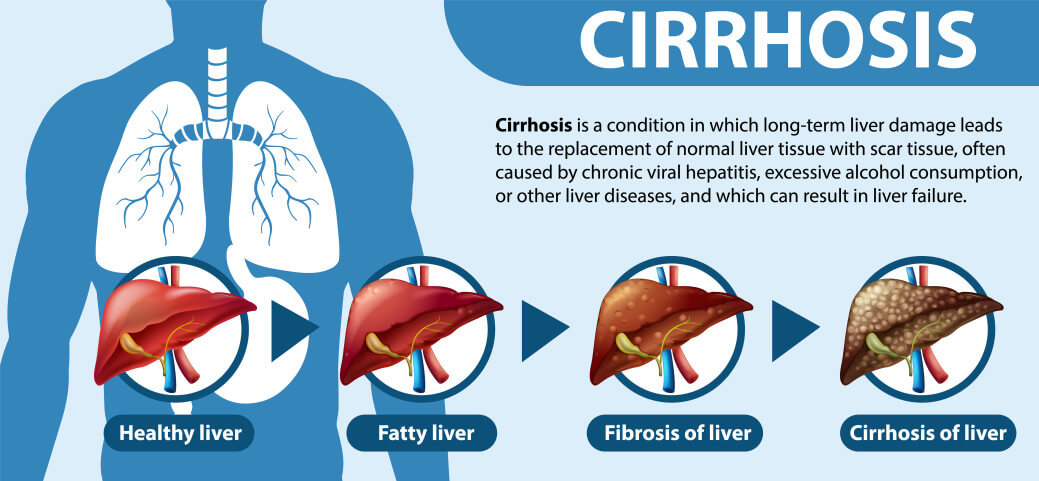
- Severe liver failure or decompensated cirrhosis
- Advanced tumor spread outside the liver
- Complete blockage of the main portal vein (in some cases)
- Severe kidney dysfunction
- Uncontrolled infection or sepsis
- Severe bleeding disorders
How Candidates Are Evaluated
Before undergoing TACE, patients undergo a detailed evaluation to confirm eligibility and safety. This may include:
- Blood tests (LFT, CBC, kidney function, clotting profile)
- Imaging tests such as CT scan, MRI, or ultrasound of the liver
- Assessment of liver function (Child-Pugh score, MELD score)
- Evaluation of tumor size, location, and blood supply
- Cardiac and general fitness evaluation (if needed)
- Consultation with interventional radiology and oncology specialists
How to Prepare
Preparing for Transarterial Chemoembolization (TACE) involves completing medical evaluations, following doctor instructions, adjusting medications, and understanding what to expect before and after the procedure. Proper preparation helps reduce complications and improves treatment outcomes.
1. Complete the Pre-TACE Evaluation
Before undergoing TACE, your doctor will perform a detailed evaluation to ensure the procedure is safe and suitable for your condition.
- Blood tests (Liver function test, Kidney function test, CBC, clotting profile)
- Imaging scans (CT scan, MRI, ultrasound of the liver)
- Tumor assessment and staging
- Review of portal vein and liver blood flow
- Assessment of liver function (Child-Pugh / MELD score)
- Consultation with interventional radiologist and oncologist/hepatologist
2. Follow All Medical Instructions
Your healthcare team will provide specific instructions to prepare your body and reduce risks during the procedure.
- Take medications exactly as prescribed
- Inform your doctor about all medicines, supplements, and herbal products
- Report any fever, infection, or new symptoms before the procedure
- Follow fasting instructions (usually no food or drink for 6–8 hours before TACE)
- Get clearance if you have diabetes, heart disease, or kidney problems
3. Adjust Blood Thinners and Other Medications
Some medications may increase bleeding risk during catheter-based procedures. Your doctor may advise stopping or adjusting certain medicines before TACE.
- Blood thinners (Aspirin, Warfarin, Clopidogrel, etc.) may need temporary stopping
- Diabetes medicines may require dose adjustment on procedure day
- Inform the doctor if you are allergic to contrast dye or iodine
- Antibiotics may be prescribed before the procedure to prevent infection
4. Make Lifestyle and Diet Preparations
Healthy habits can improve liver stability and reduce complications during and after TACE.
- Avoid alcohol completely
- Stop smoking or tobacco use if possible
- Follow a liver-friendly diet (low salt, balanced protein)
- Stay hydrated as advised by your doctor
- Get enough rest before the procedure
5. Arrange Support for Hospital Stay and Recovery
TACE usually requires short hospital observation. Having support helps with safe recovery and follow-up.
- Arrange a family member or caregiver to accompany you
- Plan transportation (you may not be able to drive after the procedure)
- Prepare for 1–2 days of rest after treatment
- Keep all medical records, scan reports, and prescriptions ready
- Plan follow-up visits for imaging and blood tests
6. Understand What to Expect After TACE
Most patients experience mild side effects after TACE. Knowing them in advance helps reduce anxiety and ensures timely care.
- Mild fever, nausea, fatigue, or abdominal pain (post-embolization syndrome)
- Temporary loss of appetite and weakness
- Hospital monitoring for a few hours to 1 day
- Follow-up scans after a few weeks to check tumor response
- Multiple TACE sessions may be needed depending on tumor response
Risks & Possible Complications
Transarterial Chemoembolization (TACE) is a minimally invasive and widely used treatment for liver tumors. While it is generally considered safe and effective, it can still carry certain risks and potential complications. Understanding these risks helps patients and families prepare and know what symptoms to monitor during recovery.
Procedure-Related Risks
- Bleeding or bruising at the catheter insertion site (groin or wrist)
- Damage to the blood vessel during catheter placement
- Allergic reaction to contrast dye used in imaging
- Injury to nearby organs due to accidental embolization (rare)
Post-Embolization Syndrome
This is the most common side effect after TACE and usually lasts a few days.
- Fever
- Abdominal pain or discomfort
- Nausea and vomiting
- Fatigue and weakness
- Loss of appetite
Liver-Related Complications
Since TACE blocks blood flow to the tumor, it can also temporarily affect healthy liver tissue.
- Temporary liver function worsening (rise in bilirubin or liver enzymes)
- Liver inflammation or swelling
- Liver failure in patients with severe cirrhosis (rare but serious)
- Ascites (fluid buildup in the abdomen)
Infection Risks
Although TACE is minimally invasive, infection may occur, especially in patients with bile duct obstruction or weakened immunity.
- Infection at the catheter insertion site
- Liver abscess (rare but serious)
- Bloodstream infection (very rare)
Gallbladder and Bile Duct Complications
In some cases, embolization particles may affect nearby bile ducts or gallbladder blood supply.
- Bile duct injury or narrowing
- Gallbladder inflammation (cholecystitis)
- Bile leakage (rare)
Kidney and Contrast-Related Complications
- Temporary kidney function worsening (especially in elderly or diabetic patients)
- Contrast-induced nephropathy (rare)
- Dehydration-related kidney stress
Other Potential Complications
- Temporary hair loss or low blood counts due to chemotherapy exposure (less common)
- Blood clot formation in liver vessels (rare)
- Shortness of breath if embolic material reaches lungs (very rare)
- Need for repeat TACE sessions if tumor response is incomplete
While these risks are possible, TACE is performed by experienced interventional radiologists under imaging guidance, and patients are closely monitored before, during, and after the procedure to minimize complications and ensure safe recovery.
Recovery & Hospital Stay
Recovery after Transarterial Chemoembolization (TACE) happens in stages, starting immediately after the procedure in the hospital and continuing at home over the next few days to weeks. The recovery phase focuses on managing side effects, monitoring liver function, and assessing how well the tumor responds to treatment.
Hospital Stay After the Procedure
- Observation and monitoring (6–24 hours or more): Patients are closely monitored for blood pressure, heart rate, pain, and any signs of bleeding or complications.
- Catheter site care: The catheter insertion site (groin or wrist) is checked regularly to prevent bleeding or swelling.
- Short hospital stay: Many patients are discharged within 1 day, while some may stay 1–2 days depending on symptoms and liver condition.
- Hydration and medication support: IV fluids and medications may be given to support kidney function and reduce side effects.
- Early mobility: Patients are encouraged to start light movement after a few hours to improve circulation and reduce clot risk.
Pain and Symptom Management
It is common to experience mild to moderate abdominal discomfort after TACE. The medical team will provide pain relief and anti-nausea medication to improve comfort during early recovery.
Monitoring During Hospital Stay
- Regular blood tests to check liver function and kidney function
- Monitoring for fever, nausea, vomiting, or abdominal pain
- Checking the catheter site for bleeding or infection
- Supportive care to manage post-embolization syndrome
Recovery at Home
Most patients recover within 7–14 days, although fatigue may last longer. Following medical advice at home is important for safe healing and better outcomes.
- Rest and hydration: Adequate rest and fluids help reduce fatigue and support recovery.
- Medication adherence: Take prescribed medicines such as pain relievers, antibiotics, and anti-nausea drugs as advised.
- Activity: Light walking is encouraged; avoid heavy lifting or strenuous exercise for at least 5–7 days.
- Diet: Eat light meals initially and follow a liver-friendly diet (low-fat, low-salt) if advised.
- Follow-up scans: CT or MRI scans are usually scheduled after 4–8 weeks to evaluate tumor response.
- Repeat sessions: Some patients may require multiple TACE sessions depending on tumor size and response.
When to Seek Medical Help
- High fever (above 101°F / 38.3°C) or chills
- Severe or worsening abdominal pain
- Persistent vomiting or inability to eat or drink
- Bleeding, swelling, or redness at the catheter insertion site
- Yellowing of the skin or eyes (jaundice)
- Breathing difficulty or chest pain
- Severe weakness or confusion
Your healthcare team will provide detailed recovery instructions and monitor your progress closely through follow-up blood tests and imaging to ensure safe recovery and effective tumor control.
- Typical hospital stay: 1-2 days
- Expected recovery time: 2-3 weeks for initial recovery; 4-6 weeks for full return to normal activities
Patient Stories & Scorecard
MediFyr compiles this rating from verified patient feedback and clinical stories. We score those responses across 10 metrics to produce the overall experience figure. Read the full methodology.
Verified Patient Review
Patient experience for Transarterial Chemoembolization (TACE) is tracked across multiple care coordinates, from pre-surgical consultation to post-operative recovery and follow-up.
Patient Experience Metrics
Surgical Outcome
Satisfaction with the clinical result and overall surgical success.
Hospital Experience
Satisfaction with nursing staff, cleanliness, and ward support.
Recovery Support
Satisfaction with post-operative care and follow-up.
Recent Patient Comments
“calm treatment for my daughter”
“My daughter had been unwell for some time. We consulted Dr. Shinde for her liver concerns. He is a composed person. Many doctors get impatient with crying children. He was quite patient with her throughout the examination process. He checked her reports carefully and explained what needed to be done in simple language. The waiting time at the clinic was a bit long because there were people but once we were inside he did not rush us at all. The staff was also fine. We are satisfied with the treatment plan as my daughter is feeling better now.”

Transarterial Chemoembolization (TACE) Cost Across Cities
Estimated cost, typical hospital stay, and recovery time compared in one currency, sorted from most affordable. (USD)
| City | Estimated cost | vs Noida | Typical stay | |
|---|---|---|---|---|
|
Panaji
Most affordable
|
$1,430 to $5,243 | ≈ 18% lower | 1-2 days | Know More |
|
Karimnagar
|
$1,446 to $5,302 | ≈ 17% lower | 1-2 days | Know More |
|
Mangalore
|
$1,478 to $5,418 | ≈ 15% lower | 1-2 days | Know More |
|
Hyderabad
|
$1,557 to $5,709 | ≈ 11% lower | 1-2 days | Know More |
|
Srikakulam
|
$1,557 to $5,709 | ≈ 11% lower | 1-2 days | Know More |
|
Kozhikode
|
$1,573 to $5,768 | ≈ 10% lower | 1-2 days | Know More |
|
Lucknow
|
$1,589 to $5,826 | ≈ 9% lower | 1-2 days | Know More |
|
New Delhi
|
$1,637 to $6,001 | ≈ 6% lower | 1-2 days | Know More |
|
Karur
|
$1,668 to $6,117 | ≈ 5% lower | 1-2 days | Know More |
|
Delhi
You're viewing
|
$1,748 to $6,409 | – | 1-2 days |
Trusted Hospitals Performing Transarterial Chemoembolization (TACE) near Noida
Accredited hospitals near Noida with dedicated liver transplantation departments for transarterial chemoembolization (tace). Compare facilities, specialists, and request itemised package estimates.


Meet the Liver Transplant Specialists Performing Transarterial Chemoembolization (TACE)
Verified liver transplant specialists near Noida with proven experience in transarterial chemoembolization (tace), guiding you from consultation through recovery.
Frequently Asked Questions
If you are considering transarterial chemoembolization (tace) near Noida, these answers about cost, hospitals, and doctors can help you decide.
Transarterial Chemoembolization (TACE) Near Me
Find leading centres offering transarterial chemoembolization (tace) across other major medical hubs in India.
Related Procedures near Noida
Explore other popular treatments and diagnostic procedures near Noida under Liver Transplantation.
