

Peripheral Intervention Cost in Tamil Nadu
How Much Does Peripheral Intervention Cost in Tamil Nadu?
What Affects the Cost of Peripheral Intervention?
Two patients rarely pay the same amount. These are the variables that move your final bill up or down in Tamil Nadu.
Hospital category
Accredited multi-speciality and quaternary-care hospitals price higher than mid-tier facilities, infrastructure and outcomes differ too.
Surgeon's experience
Senior specialists who perform this procedure frequently command higher professional fees, and typically shorter, safer recoveries.
Room category
General ward, twin-sharing, private, and suite rooms carry different nightly tariffs, and most other charges scale with the room class.
Implants, devices & consumables
Where the procedure uses implants or specialised consumables, the brand and grade chosen can change the bill significantly.
Length of stay & ICU time
Each extra night, especially in ICU, adds room, nursing, and monitoring charges beyond the quoted package.
Diagnostics & post-operative care
Pre-surgery work-up, imaging, lab tests, physiotherapy, and follow-up consultations vary with your overall health and recovery.
What a Hospital Package Typically Covers
Quoted estimates are usually packages. Knowing what sits inside - and outside - the package is how you avoid surprise bills.
Usually Included
- Surgeon, anaesthetist & operating theatre charges
- Standard room stay for the quoted number of nights
- Routine in-hospital nursing, medication & consumables
- Standard pre-operative work-up linked to the procedure
- One post-discharge follow-up consultation (varies)
Commonly Billed Separately
- Premium implants, devices, or consumables beyond the package grade
- Extended ICU stay or unplanned interventions
- Managing comorbidities (diabetes, cardiac, kidney conditions)
- Medicines and rehabilitation after discharge
- Travel, accommodation & visa support for outstation patients
Every hospital defines its package differently. Always confirm what your final quote covers. MediFyr can collect itemised estimates from multiple hospitals in Tamil Nadu so you compare like for like.
About Peripheral Intervention
Key Highlights
Who Is This Surgery For?
- Symptomatic Peripheral Artery Disease (PAD) causing leg pain while walking (claudication).
- Critical Limb Ischemia (CLI), characterized by rest pain, non-healing wounds, or gangrene.
- Renal artery stenosis causing high blood pressure or kidney dysfunction.
- Carotid artery disease to prevent stroke (though often performed by vascular specialists).
- Blockages in the arteries of the arms (upper extremity arterial disease).
- Failed or inadequate response to lifestyle changes and medication therapy.
How to Prepare
- Comprehensive evaluation including a physical exam, ankle-brachial index (ABI), and imaging like ultrasound or CTA.
- Review of all current medications; you may be asked to temporarily stop blood thinners.
- Fasting for 6-8 hours before the procedure, though sips of water with essential medications may be allowed.
- Informed consent process where the cardiologist explains the procedure, benefits, and risks.
- Arranging for someone to drive you home after the procedure.
- Shaving and cleaning of the access site (usually the groin or wrist).
Risks & Possible Complications
- Bleeding, bruising, or infection at the catheter insertion site.
- Damage to the blood vessel (dissection or perforation).
- Allergic reaction to the contrast dye used during imaging.
- Blood clot formation at the treatment site or elsewhere.
- Kidney injury from contrast dye, especially in patients with pre-existing kidney issues.
- Rare risks include heart attack, stroke, or emergency surgery.
- Restenosis (re-narrowing of the treated artery over time).
Recovery & Hospital Stay
- Initial rest for 4-6 hours post-procedure, keeping the access leg/arm straight.
- Monitoring of vital signs and the insertion site for any bleeding.
- Encouraged to drink plenty of fluids to help flush the contrast dye from your kidneys.
- You may be discharged the same day or after an overnight observation.
- Avoid strenuous activities, heavy lifting, and driving for about a week.
- Adherence to prescribed medications, including antiplatelets (like aspirin/clopidogrel) to prevent clots.
- Follow-up appointments to monitor healing and the success of the intervention.
- Commitment to long-term lifestyle changes: smoking cessation, a heart-healthy diet, and regular exercise.
- Typical hospital stay: 0-2 days
- Expected recovery time: 1-2 weeks for routine activities; 4-6 weeks for full recovery
Patient Stories & Scorecard
MediFyr compiles this rating from verified patient feedback and clinical stories. We score those responses across 10 metrics to produce the overall experience figure. Read the full methodology.
Verified Patient Review
Patient experience for Peripheral Intervention is tracked across multiple care coordinates, from pre-surgical consultation to post-operative recovery and follow-up.
Patient Experience Metrics
Surgical Outcome
Satisfaction with the clinical result and overall surgical success.
Hospital Experience
Satisfaction with nursing staff, cleanliness, and ward support.
Recovery Support
Satisfaction with post-operative care and follow-up.
Recent Patient Comments
“better than others”
“Tired of doctors just giving medicine. Dr Siodia actually gave specific tips on salt and walking that finally improved my bp readings.”

Peripheral Intervention Cost Across States
Estimated cost, typical hospital stay, and recovery time compared in one currency, sorted from most affordable. (USD)
| State | Estimated cost | vs Tamil Nadu | Typical stay | |
|---|---|---|---|---|
|
Andhra Pradesh
Most affordable
|
$1,404 to $4,214 | Similar | 0-2 days | Know More |
|
Odisha
|
$1,436 to $4,310 | Similar | 0-2 days | Know More |
|
Tamil Nadu
You're viewing
|
$1,452 to $4,358 | – | 0-2 days | |
|
Uttar Pradesh
|
$1,452 to $4,358 | Similar | 0-2 days | Know More |
|
Assam
|
$1,500 to $4,502 | Similar | 0-2 days | Know More |
|
Haryana
|
$1,500 to $4,502 | Similar | 0-2 days | Know More |
|
Chhattisgarh
|
$1,532 to $4,597 | ≈ 5% higher | 0-2 days | Know More |
|
Gujarat
|
$1,564 to $4,693 | ≈ 8% higher | 0-2 days | Know More |
|
Kerala
|
$1,644 to $4,933 | ≈ 13% higher | 0-2 days | Know More |
|
Karnataka
|
$1,676 to $5,028 | ≈ 15% higher | 0-2 days | Know More |
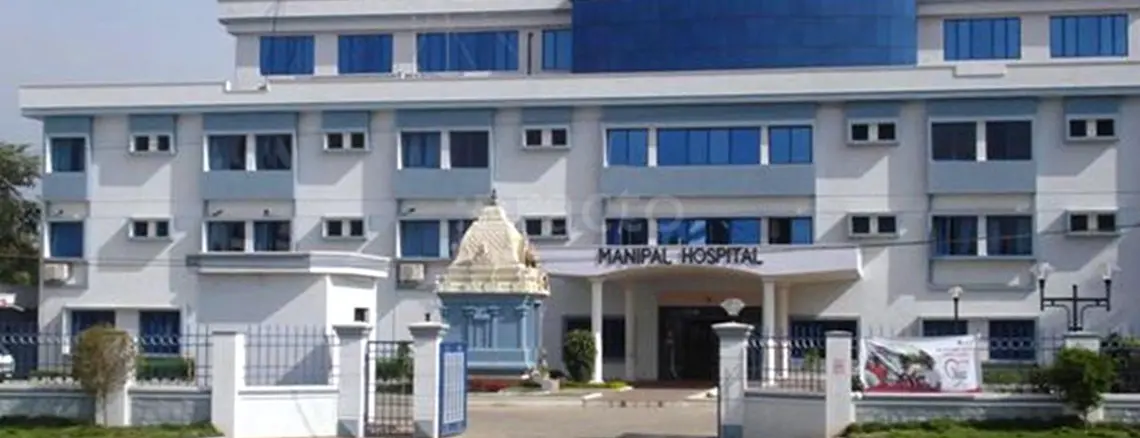
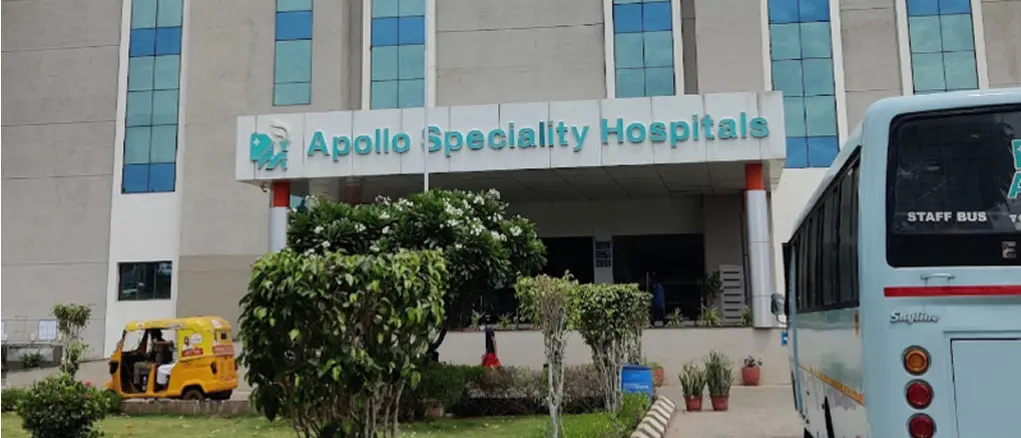
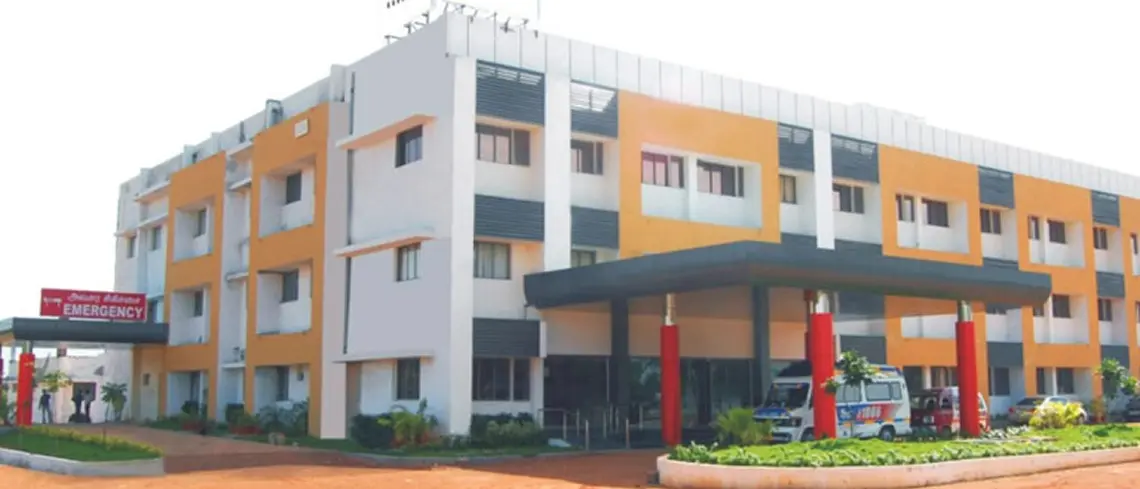
Trusted Hospitals Performing Peripheral Intervention in Tamil Nadu
Accredited hospitals in Tamil Nadu with dedicated cardiology departments for peripheral intervention. Compare facilities, specialists, and request itemised package estimates.


Meet the Cardiologists Performing Peripheral Intervention
Verified cardiologists in Tamil Nadu with proven experience in peripheral intervention, guiding you from consultation through recovery.




Frequently Asked Questions
If you are considering peripheral intervention in Tamil Nadu, these answers about cost, hospitals, and doctors can help you decide.
Peripheral Intervention Near Me
Find leading centres offering peripheral intervention across other major medical hubs in India.
Related Procedures in Tamil Nadu
Explore other popular treatments and diagnostic procedures in Tamil Nadu under Cardiology.
