

Monocyte Disorder Cost in Assam
How Much Does Monocyte Disorder Cost in Assam?
What Affects the Cost of Monocyte Disorder?
Two patients rarely pay the same amount. These are the variables that move your final bill up or down in Assam.
Hospital category
Accredited multi-speciality and quaternary-care hospitals price higher than mid-tier facilities, infrastructure and outcomes differ too.
Surgeon's experience
Senior specialists who perform this procedure frequently command higher professional fees, and typically shorter, safer recoveries.
Room category
General ward, twin-sharing, private, and suite rooms carry different nightly tariffs, and most other charges scale with the room class.
Implants, devices & consumables
Where the procedure uses implants or specialised consumables, the brand and grade chosen can change the bill significantly.
Length of stay & ICU time
Each extra night, especially in ICU, adds room, nursing, and monitoring charges beyond the quoted package.
Diagnostics & post-operative care
Pre-surgery work-up, imaging, lab tests, physiotherapy, and follow-up consultations vary with your overall health and recovery.
What a Hospital Package Typically Covers
Quoted estimates are usually packages. Knowing what sits inside - and outside - the package is how you avoid surprise bills.
Usually Included
- Surgeon, anaesthetist & operating theatre charges
- Standard room stay for the quoted number of nights
- Routine in-hospital nursing, medication & consumables
- Standard pre-operative work-up linked to the procedure
- One post-discharge follow-up consultation (varies)
Commonly Billed Separately
- Premium implants, devices, or consumables beyond the package grade
- Extended ICU stay or unplanned interventions
- Managing comorbidities (diabetes, cardiac, kidney conditions)
- Medicines and rehabilitation after discharge
- Travel, accommodation & visa support for outstation patients
Every hospital defines its package differently. Always confirm what your final quote covers. MediFyr can collect itemised estimates from multiple hospitals in Assam so you compare like for like.
About Monocyte Disorder
Key Highlights
Who Is This Surgery For?
- Unexplained persistent fever, fatigue, or recurrent infections suggesting immune system issues.
- Abnormal white blood cell count, specifically elevated (monocytosis) or decreased (monocytopenia) monocytes found on a routine blood test.
- Suspected or diagnosed conditions like chronic myelomonocytic leukemia (CMML), other myelodysplastic syndromes, or monocytic leukemia.
- Underlying autoimmune diseases (e.g., lupus, rheumatoid arthritis) or chronic inflammatory disorders that can affect monocyte levels.
- Evaluation of certain infections, such as tuberculosis or endocarditis, which can cause reactive monocytosis.
- Monitoring of patients with known hematologic conditions or those undergoing treatments that may impact bone marrow function.
How to Prepare
- Compile a complete personal and family medical history, including any history of infections, autoimmune conditions, or blood disorders.
- Bring a list of all current medications, supplements, and over-the-counter drugs.
- Fasting may be required for 8-12 hours before blood draws for certain metabolic or genetic panels, as advised by the physician.
- Wear comfortable clothing for the physical examination and potential blood draw.
- Be prepared to discuss symptoms in detail, including their duration, severity, and any triggering factors.
Risks & Possible Complications
- Risks associated with blood draws, such as minor pain, bruising, or rarely, infection at the puncture site.
- Potential for anxiety or stress related to the diagnosis of a chronic or serious underlying condition.
- If a bone marrow biopsy is indicated (for deeper investigation), risks include pain, bleeding, or infection at the biopsy site.
- Treatment-related side effects depending on the therapy initiated (e.g., medication side effects, chemotherapy effects).
- In rare cases, complications from the underlying disorder itself if not adequately managed, such as severe infection or progression of a hematologic cancer.
Recovery & Hospital Stay
- Recovery is primarily related to the diagnostic process; patients can typically resume normal activities immediately after a blood test.
- If a procedure like a bone marrow biopsy was performed, rest for 24-48 hours and avoid strenuous activity as advised.
- Follow-up appointments are crucial to review test results, confirm a diagnosis, and initiate or adjust a treatment plan.
- Adherence to the prescribed treatment regimen, which may include medications, dietary changes, or further specialist referrals.
- Regular monitoring through follow-up blood tests to assess treatment response and monocyte levels over time.
- Implementing lifestyle measures to support immune health, such as a balanced diet, adequate sleep, and stress management, as recommended by the physician.
- Typical hospital stay: Typically 0 days (outpatient) or 1-3 days if invasive diagnostics (e.g., bone marrow biopsy) or treatment initiation requires admission.
- Expected recovery time: Varies widely; diagnostic recovery is immediate, but management of the underlying condition can be a long-term process ranging from weeks to ongoing.
Patient Stories & Scorecard
MediFyr compiles this rating from verified patient feedback and clinical stories. We score those responses across 10 metrics to produce the overall experience figure. Read the full methodology.
Verified Patient Review
Patient experience for Monocyte Disorder is tracked across multiple care coordinates, from pre-surgical consultation to post-operative recovery and follow-up.
Patient Experience Metrics
Surgical Outcome
Satisfaction with the clinical result and overall surgical success.
Hospital Experience
Satisfaction with nursing staff, cleanliness, and ward support.
Recovery Support
Satisfaction with post-operative care and follow-up.
Monocyte Disorder Cost Across States
Estimated cost, typical hospital stay, and recovery time compared in one currency, sorted from most affordable. (USD)
| State | Estimated cost | vs Assam | Typical stay | |
|---|---|---|---|---|
|
Andhra Pradesh
Most affordable
|
$14 to $233 | ≈ 6% lower | Typically 0 days (outpatient) or 1-3 days if invasive diagnostics (e.g., bone marrow biopsy) or treatment initiation requires admission. | Know More |
|
Odisha
|
$14 to $239 | Similar | Typically 0 days (outpatient) or 1-3 days if invasive diagnostics (e.g., bone marrow biopsy) or treatment initiation requires admission. | Know More |
|
Tamil Nadu
|
$15 to $241 | Similar | Typically 0 days (outpatient) or 1-3 days if invasive diagnostics (e.g., bone marrow biopsy) or treatment initiation requires admission. | Know More |
|
Uttar Pradesh
|
$15 to $241 | Similar | Typically 0 days (outpatient) or 1-3 days if invasive diagnostics (e.g., bone marrow biopsy) or treatment initiation requires admission. | Know More |
|
Assam
You're viewing
|
$15 to $249 | – | Typically 0 days (outpatient) or 1-3 days if invasive diagnostics (e.g., bone marrow biopsy) or treatment initiation requires admission. | |
|
Haryana
|
$15 to $249 | Similar | Typically 0 days (outpatient) or 1-3 days if invasive diagnostics (e.g., bone marrow biopsy) or treatment initiation requires admission. | Know More |
|
Chhattisgarh
|
$15 to $254 | Similar | Typically 0 days (outpatient) or 1-3 days if invasive diagnostics (e.g., bone marrow biopsy) or treatment initiation requires admission. | Know More |
|
Gujarat
|
$16 to $260 | ≈ 5% higher | Typically 0 days (outpatient) or 1-3 days if invasive diagnostics (e.g., bone marrow biopsy) or treatment initiation requires admission. | Know More |
|
Kerala
|
$16 to $273 | ≈ 9% higher | Typically 0 days (outpatient) or 1-3 days if invasive diagnostics (e.g., bone marrow biopsy) or treatment initiation requires admission. | Know More |
|
Karnataka
|
$17 to $278 | ≈ 12% higher | Typically 0 days (outpatient) or 1-3 days if invasive diagnostics (e.g., bone marrow biopsy) or treatment initiation requires admission. | Know More |
Trusted Hospitals Performing Monocyte Disorder in Assam
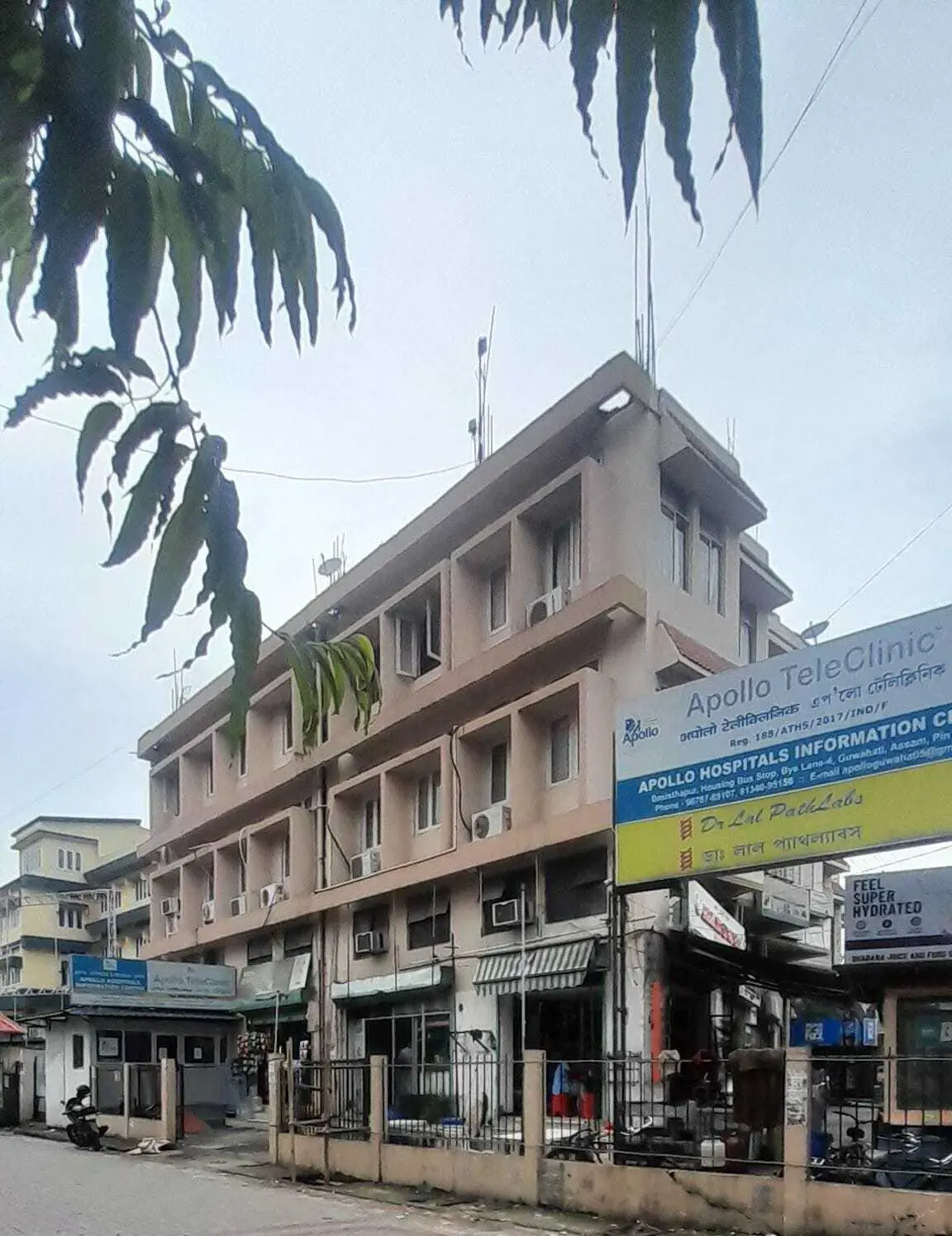
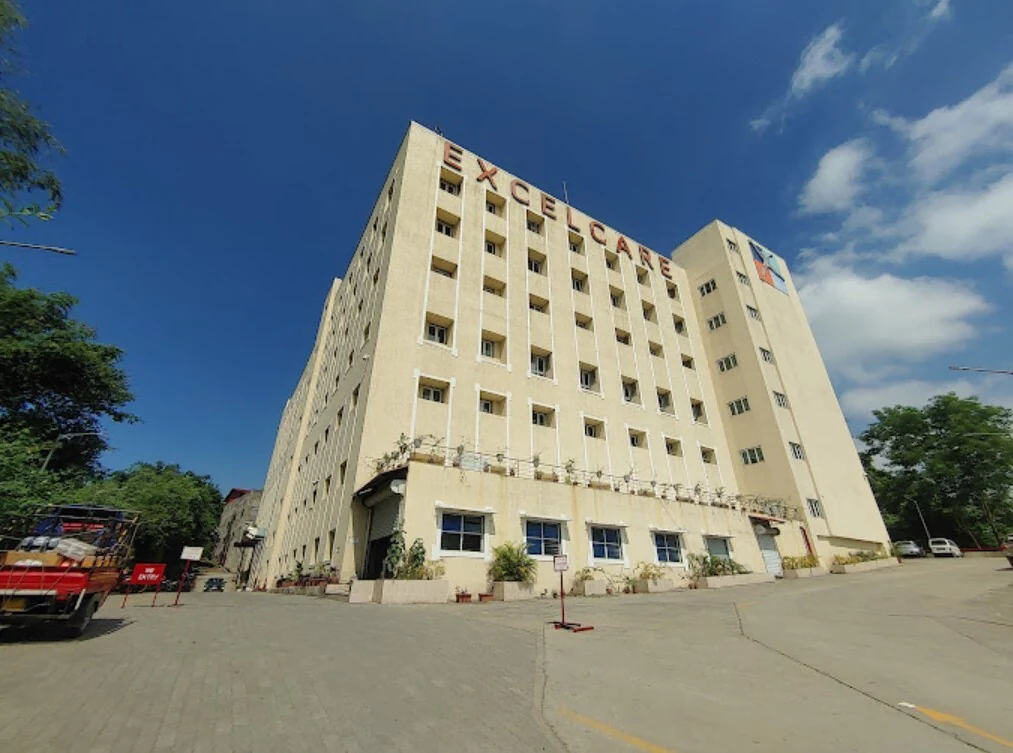
Accredited hospitals in Assam with dedicated internal medicine departments for monocyte disorder. Compare facilities, specialists, and request itemised package estimates.

Meet the Internal Medicine Specialists Performing Monocyte Disorder
Verified internal medicine specialists in Assam with proven experience in monocyte disorder, guiding you from consultation through recovery.





Frequently Asked Questions
If you are considering monocyte disorder in Assam, these answers about cost, hospitals, and doctors can help you decide.
Monocyte Disorder Near Me
Find leading centres offering monocyte disorder across other major medical hubs in India.
Related Procedures in Assam
Explore other popular treatments and diagnostic procedures in Assam under Internal Medicine.
